 Pin It
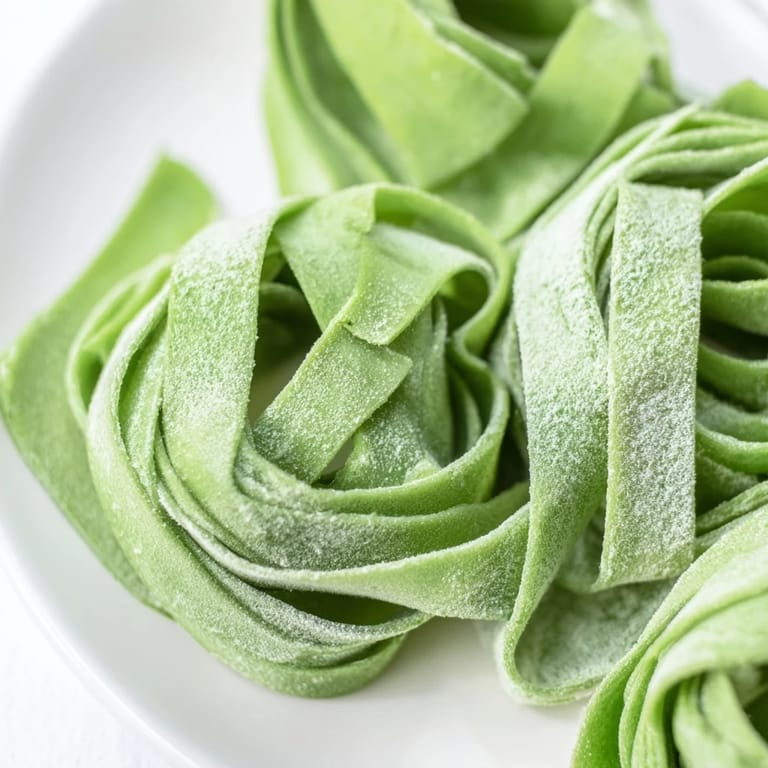
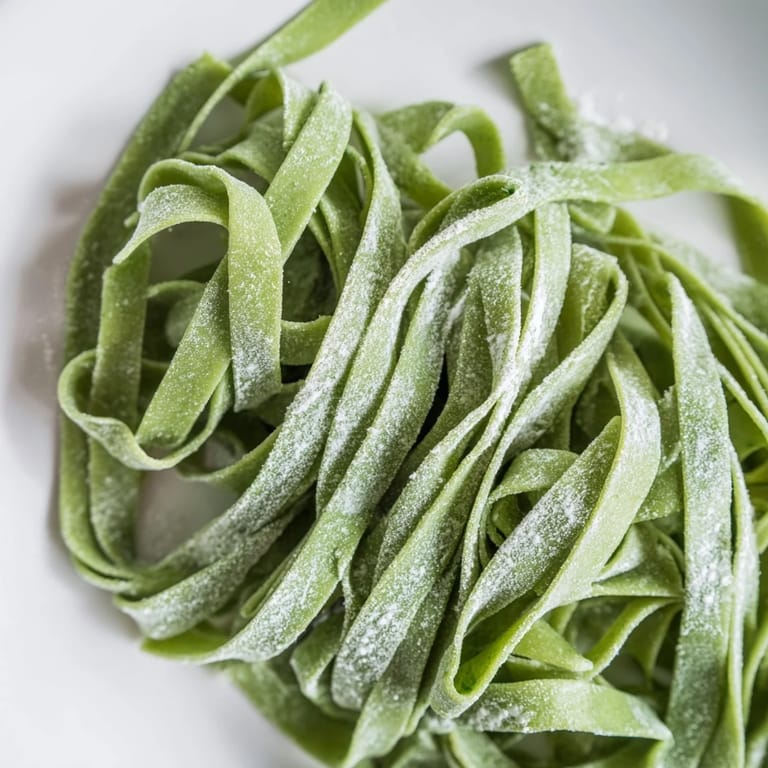
 The first time I rolled out spinach pasta, I thought I'd ruined it—the dough was green, streaky, and looked nothing like the uniform emerald sheets I'd seen online. But once it hit the boiling water, those ribbons unfurled into the most beautiful jade fettuccine I'd ever made. My hands were dusted with flour, my countertop looked like a crime scene, and I couldn't stop grinning. That night, I learned that homemade pasta doesn't need to be perfect to be spectacular. The earthy sweetness of the spinach, the tender bite of fresh dough—it was better than any store-bought version I'd tried.
I made this dough on a rainy Saturday when I had nowhere to be and nothing but time. My niece wandered into the kitchen, curious about the bright green pile on the counter, and ended up covered in flour by the time we finished rolling it out. We cut thick, wobbly noodles and cooked them immediately, tossing them with butter and Parmesan. She declared it the best pasta she'd ever had, and I didn't have the heart to tell her it was because she helped make it. That's the magic of fresh pasta—it turns an ordinary afternoon into something you remember.
Ingredients
- Fresh baby spinach leaves (100 g): Baby spinach is tender and mild, so it won't overpower the dough with bitterness. Make sure to squeeze out every drop of water after blanching, or your dough will be too wet and sticky to work with.
- Large eggs (2): Eggs give the dough structure and richness, binding everything together into a silky, elastic base. Room temperature eggs mix more easily with the spinach puree.
- Italian 00 flour (200 g): This finely milled flour creates the smoothest, most tender pasta texture. If you can't find it, all-purpose flour works, but the dough will be slightly less delicate.
- Semolina flour (50 g, optional): Adding semolina gives the pasta a firmer bite and helps it hold sauce better. It also makes the dough a bit easier to roll without tearing.
- Fine sea salt (½ tsp): Just enough to enhance the flavor of the dough without making it salty. Don't skip it, or your pasta will taste flat no matter what sauce you use.
Tired of Takeout? 🥡
Get 10 meals you can make faster than delivery arrives. Seriously.
One email. No spam. Unsubscribe anytime.
Instructions
- Blanch the spinach:
- Drop the spinach into boiling water and count to thirty—it wilts fast. Drain it, shock it under cold water, then squeeze it like you're wringing out a towel. The drier it is, the better your dough will come together.
- Puree the spinach:
- Chop it fine by hand or blitz it in a food processor until it's smooth and vivid green. You want a thick paste, not a watery mess.
- Make the flour well:
- Pile your flour and salt on the counter and use your fist to create a wide crater in the center. It should look like a volcano—sturdy walls, deep well.
- Combine wet ingredients:
- Crack the eggs into the well and add the spinach puree. Use a fork to beat them together gently, then start pulling in flour from the edges little by little.
- Knead the dough:
- Once it's shaggy and holds together, use your palms to knead it for 8 to 10 minutes. Push, fold, turn—it'll go from rough to silky and elastic. If it sticks, dust with flour; if it crumbles, wet your hands and keep working.
- Rest the dough:
- Wrap it tightly in plastic and let it sit for 30 minutes at room temperature. This relaxes the gluten and makes rolling so much easier.
- Roll and shape:
- Run the dough through a pasta machine starting at the widest setting, folding and rolling until it's smooth and thin. Cut it into your favorite shapes—fettuccine, pappardelle, or filled pasta like ravioli.
- Cook fresh pasta:
- Boil in well salted water for just 1 to 2 minutes. Fresh pasta cooks fast, so watch it closely and pull it when it's tender but still has a little chew.
 Pin It
 There was a night I served this pasta to friends who didn't believe I'd made it from scratch. They kept asking where I bought it, convinced no one could get that color naturally. When I finally showed them the leftover spinach in my fridge, they looked at me like I'd performed magic. We stayed up late that night, drinking wine and talking about how food can surprise you when you slow down and make it yourself. That's when I realized this recipe wasn't just about pasta—it was about creating something worth gathering around.
How to Store Spinach Pasta Dough
If you're not using the dough right away, wrap it tightly in plastic and keep it in the fridge for up to 24 hours. The color might darken slightly, but the flavor stays just as good. You can also freeze it for up to a month—just let it thaw in the fridge overnight before rolling. Once you've cut the pasta into shapes, dust it with semolina or flour and nest it loosely on a baking sheet. It'll keep in the fridge for a day or two, or you can freeze it on the sheet, then transfer to a bag once solid.
What to Serve with Spinach Pasta
This pasta loves simple sauces that let the green color shine through. I usually toss it with brown butter, sage, and a handful of toasted pine nuts—it's elegant without trying too hard. Cream sauces work beautifully too, especially if you add a little lemon zest and Parmesan. For something heartier, layer it into lasagna with ricotta and marinara, or fill it with ricotta and herbs for ravioli. The mild spinach flavor pairs well with almost anything, so don't be afraid to experiment.
Troubleshooting and Variations
If your dough tears while rolling, it's probably too dry—knead in a few drops of water and let it rest again. If it sticks to the machine, dust it generously with flour between each pass. You can swap half the 00 flour for whole wheat to add a nutty depth, or stir in a pinch of nutmeg for warmth. Some people like to add a tablespoon of olive oil to the dough for extra silkiness, though I find it unnecessary if you knead well. If you don't have a pasta machine, a rolling pin works fine—it just takes a little more elbow grease.
- Always taste your pasta water before adding the pasta; it should be as salty as the sea.
- Don't overcook fresh pasta—it goes from perfect to mushy in seconds.
- Save a cup of pasta water before draining; it's liquid gold for loosening up your sauce.
 Pin It
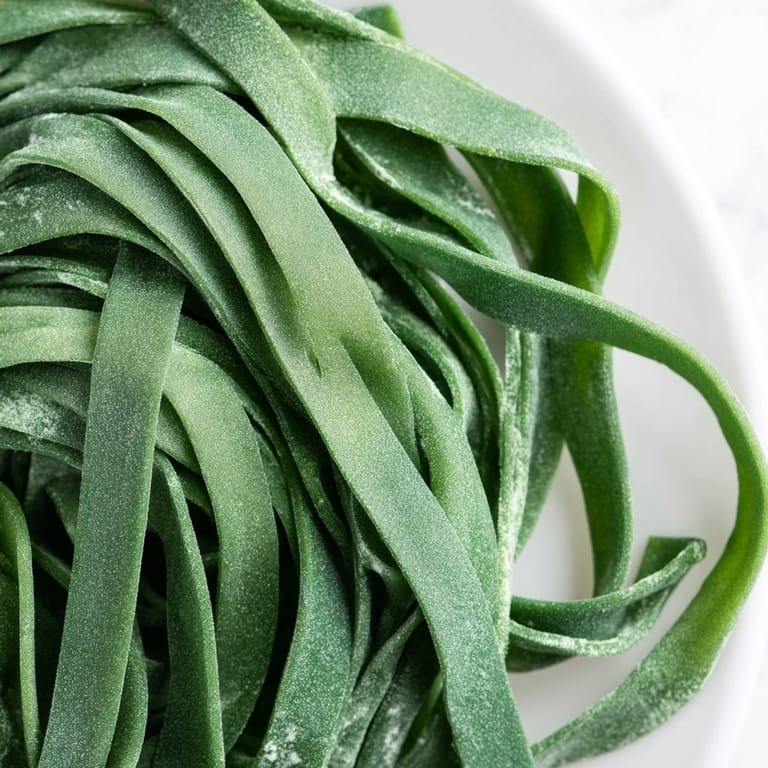
 There's something deeply satisfying about pulling fresh pasta out of boiling water and watching it glisten under the kitchen light. This dough has become my go to whenever I want to slow down and make something with my hands, and it never fails to impress—even when it's just me eating alone at the counter. I hope it brings you as much joy as it's brought me.
Recipe Questions & Answers
- → How do I remove excess moisture from blanched spinach?
After blanching for 30 seconds and rinsing under cold water, place the spinach in a clean kitchen towel or cheesecloth and squeeze firmly over the sink until as much liquid as possible is removed. This prevents the dough from becoming too wet.
- → Can I make this dough ahead of time?
Yes, wrap the rested dough tightly in plastic wrap and refrigerate for up to 24 hours. Allow it to come to room temperature for about 15 minutes before rolling and shaping for best results.
- → What's the difference between Italian 00 flour and semolina?
Italian 00 flour is finely milled and creates a silky, delicate dough texture ideal for fresh pasta. Semolina is coarser and adds texture and structure. Using both creates the best balance of texture and elasticity.
- → How long should I knead the dough?
Knead by hand for 8-10 minutes until the dough becomes smooth, elastic, and no longer sticky. The dough should feel slightly springy when pressed. This develops the gluten network needed for proper texture.
- → What's the ideal thickness for rolling fresh pasta?
For delicate shapes like fettuccine or ravioli, aim for 1-2mm thickness. You should be able to see your hand through the dough when held up to light. Adjust based on your pasta machine settings or rolling technique.
- → Can I substitute all-purpose flour for Italian 00 flour?
While all-purpose flour can work, Italian 00 flour produces superior texture and elasticity. If substituting, use the same weight and you may need slightly less liquid since all-purpose has different protein content.