 Pin It
 My neighbor showed up one Saturday morning with a donut pan she'd just bought, insisting we make a batch together over coffee. I remember the smell of cinnamon filling her tiny kitchen before the donuts even hit the oven—that warm, sweet spice that makes you feel like something good is happening. We were both surprised at how simple it was, how soft and tender these baked donuts turned out compared to the dense fried ones we'd always assumed were the only real deal. Now whenever I make them, I think of her laugh when we realized we'd actually nailed it on the first try.
I brought these to my daughter's school bake sale last spring, nervous they'd seem too simple compared to everyone else's elaborate creations. A mom I'd never met before came back for thirds and asked for the recipe—turned out she'd been stress-baking for a week and these were the first thing that actually made her smile that morning. Sometimes the simplest recipes are the ones that matter most.
Ingredients
- All-purpose flour (2 cups): The backbone of these donuts; it keeps them light but sturdy enough to hold that glossy cinnamon-sugar coat.
- Granulated sugar (3/4 cup for batter): Sweetens the dough itself—don't skip it or your donuts will taste flat and one-dimensional.
- Baking powder (2 tsp): The secret to that tender, slightly fluffy crumb; it's what makes baked donuts actually feel like donuts instead of dense little cakes.
- Baking soda (1/2 tsp): Works with the buttermilk to add lift and create those tiny air pockets you want to bite into.
- Salt (1/2 tsp): Brings out the sweetness and keeps the cinnamon flavor from becoming one-note.
- Ground cinnamon (1 tsp in batter, 1 1/2 tsp for coating): The star ingredient; get the good stuff if you can, it makes a real difference in warmth and depth.
- Buttermilk (3/4 cup): Creates tenderness and tang; if you don't have it, milk soured with vinegar works in a pinch.
- Eggs (2 large): Bind everything together and add richness without making donuts heavy.
- Unsalted butter (2 tbsp melted for batter, 3 tbsp for coating): Gives moisture and flavor; melted butter distributes more evenly than cold.
- Vanilla extract (1 tsp): A small amount that rounds out the flavor and makes people wonder what the secret ingredient is.
- Coating sugar (1/2 cup): Pairs with cinnamon to create that addictive sweet crust you can't stop eating.
Tired of Takeout? 🥡
Get 10 meals you can make faster than delivery arrives. Seriously.
One email. No spam. Unsubscribe anytime.
Instructions
- Heat Your Oven and Pan:
- Set the oven to 375°F and get your donut pan in there, lightly greased with oil or cooking spray. A warm pan makes a subtle difference in how evenly your donuts rise.
- Combine Dry Ingredients:
- In a large bowl, whisk together flour, sugar, baking powder, baking soda, salt, and cinnamon until no streaks of flour remain. This is where you're creating the structure, so don't rush it.
- Blend Wet Ingredients:
- In another bowl, whisk buttermilk, eggs, melted butter, and vanilla until smooth and unified. You're creating an emulsion here—stop when it looks homogeneous.
- Bring It Together Gently:
- Pour the wet mixture into the dry ingredients and stir just until combined; you want to see a few flour streaks disappear but not much more. Overmixing creates tough donuts, and that's a waste of good ingredients.
- Fill Your Donut Pan:
- Spoon or pipe the batter into each cavity until about 3/4 full—this gives them room to rise without overflowing. A piping bag makes this neater, but a spoon works fine if you steady your hand.
- Bake Until Golden:
- Bake for 10–12 minutes; they're done when they spring back immediately after a light touch and smell impossibly good. The edges should be just barely golden, not brown.
- Cool and Release:
- Let them rest in the pan for 3 minutes—this keeps them from falling apart—then transfer to a wire rack to cool a bit more. Patience here prevents broken donuts.
- Coat While Warm:
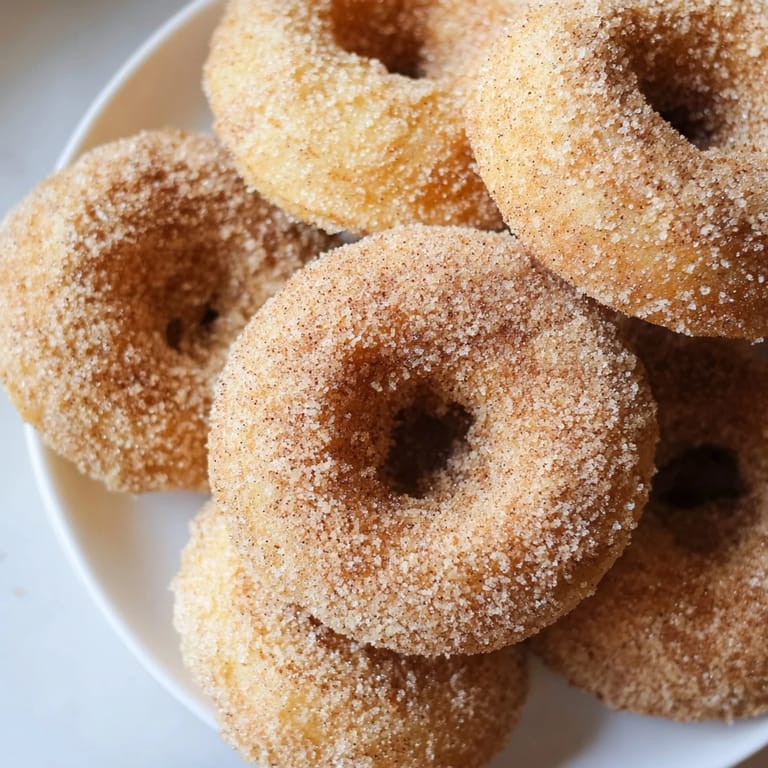
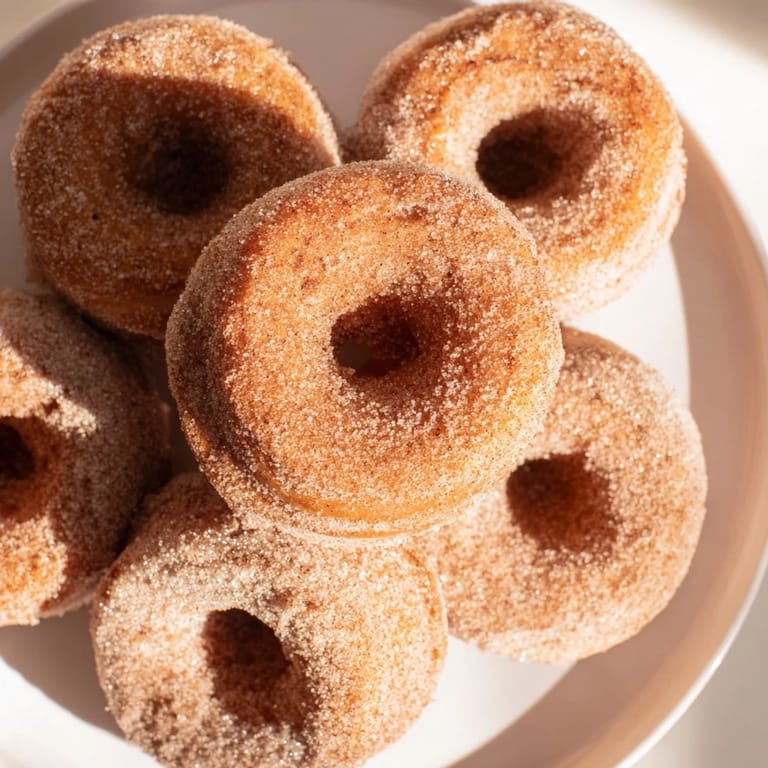
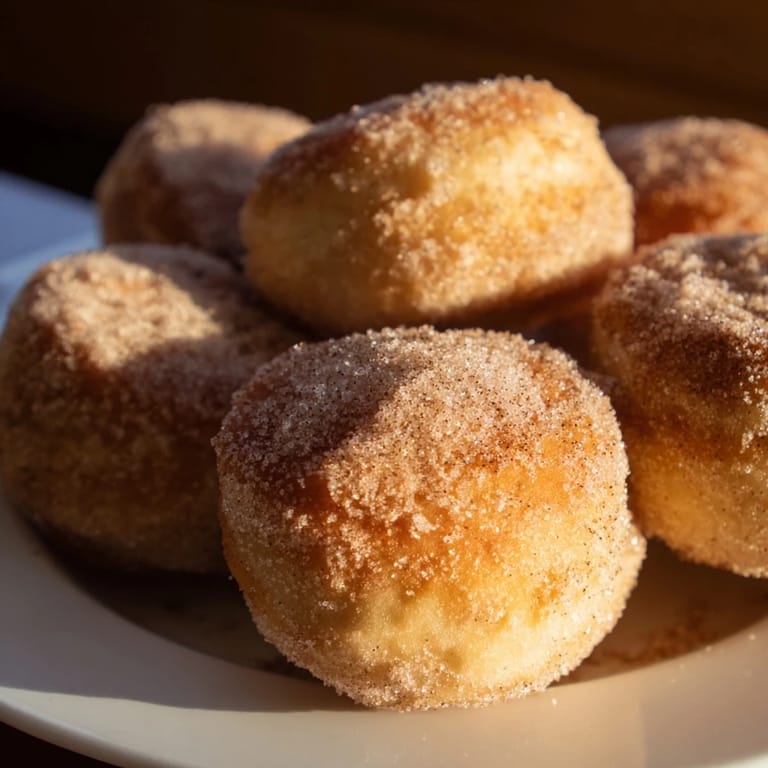
- Mix sugar and cinnamon in a shallow bowl. Brush each warm donut with melted butter and immediately dip into the cinnamon-sugar, turning to coat all sides. The warmth helps the sugar adhere and creates that slight caramelization.
 Pin It
 There's something about the moment when someone bites into one of these and their eyes go wide—that split second before they tell you how good it is. That's the moment I realized this recipe isn't just about speed or simplicity; it's about delivering actual joy in the form of a warm, cinnamon-sugared donut.
The Magic of Baked vs. Fried
People assume baked donuts are a compromise, a lighter option that trades flavor for health. That's not what's happening here. Baking allows the cinnamon to perfume the entire crumb instead of just sitting on the outside, and it keeps the texture tender in a way frying can't match. The butter coating still gives you that indulgent feeling without the heaviness that lingers after fried donuts.
Timing and Temperature Matter More Than You'd Think
The window between underbaked and overbaked is small—maybe two minutes—but it's crucial. Underbaked donuts are gummy in the center; overbaked ones are dry and crumbly. The 10–12 minute range is your guide, but every oven runs differently, so start checking at 10 minutes. Your sense of touch matters more than a timer: they should feel set but still yield slightly to pressure.
Storage and Second-Day Life
These are best eaten fresh, within a few hours of baking, when the cinnamon-sugar coat is still crisp and the crumb is at its softest. If you need to store them, an airtight container keeps them fresh for up to two days—they'll stay moist inside, though the coating will lose its snap. You can gently warm them in the oven at 300°F for five minutes to revive them, and they'll taste almost as good as new. On the third day, they're still edible but getting stale, so that's when they become tomorrow's breadcrumb situation.
- Room temperature is fine for storage; don't refrigerate unless you want them to go stale faster.
- If you've made a double batch, freeze extras in a container for up to three weeks, then thaw and warm before serving.
- Leftover cinnamon-sugar mixture keeps indefinitely in a sealed jar, so make extra for dust-coating your morning coffee or oatmeal.
 Pin It
 These donuts have taught me that the best recipes are the ones you actually make, the ones simple enough to pull together on a random Tuesday morning. Every time I smell cinnamon hitting a warm pan, I'm grateful for a neighbor's donut pan and the way a single batch can turn someone's whole day around.
Recipe Questions & Answers
- → How can I make these donuts dairy-free?
Use plant-based milk alternatives like almond or soy milk combined with margarine instead of butter to keep the same texture and flavor.
- → What is the best way to achieve a fluffy texture?
Mix wet and dry ingredients just until combined and avoid overmixing to keep the donuts light and tender.
- → Can these donuts be stored?
Yes, keep them in an airtight container for up to 2 days to maintain freshness, though they are best enjoyed fresh.
- → Is there a way to add more spice flavor?
Adding a pinch of nutmeg to the dry ingredients complements the cinnamon and adds warmth to the donuts.
- → What pan should I use for shaping these donuts?
A standard donut pan ensures even shaping and baking, producing perfectly formed donuts every time.