 Pin It
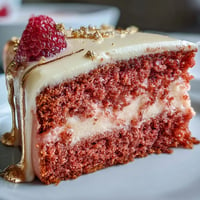
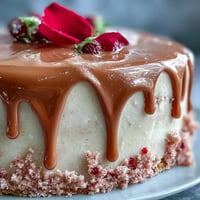
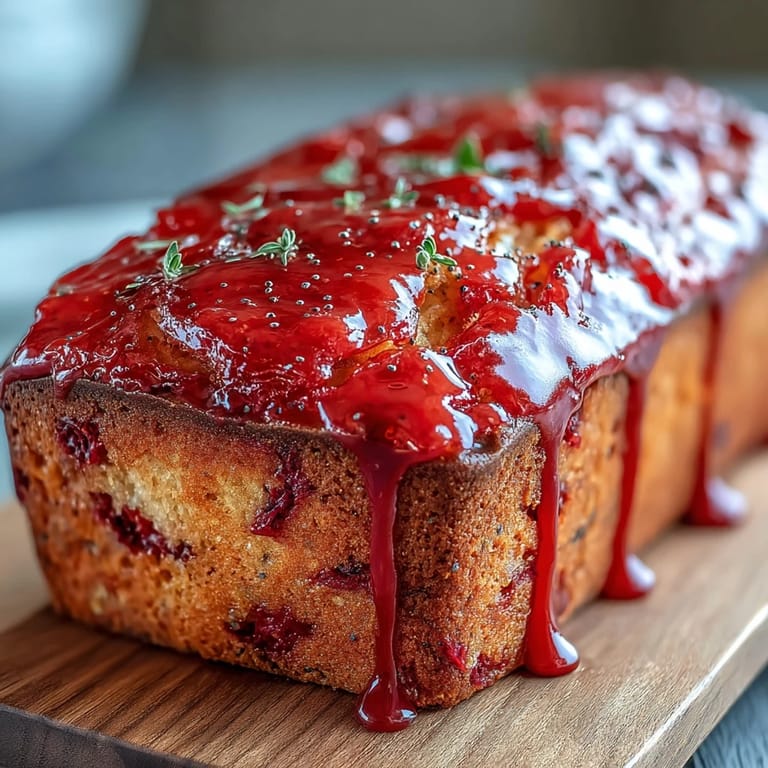
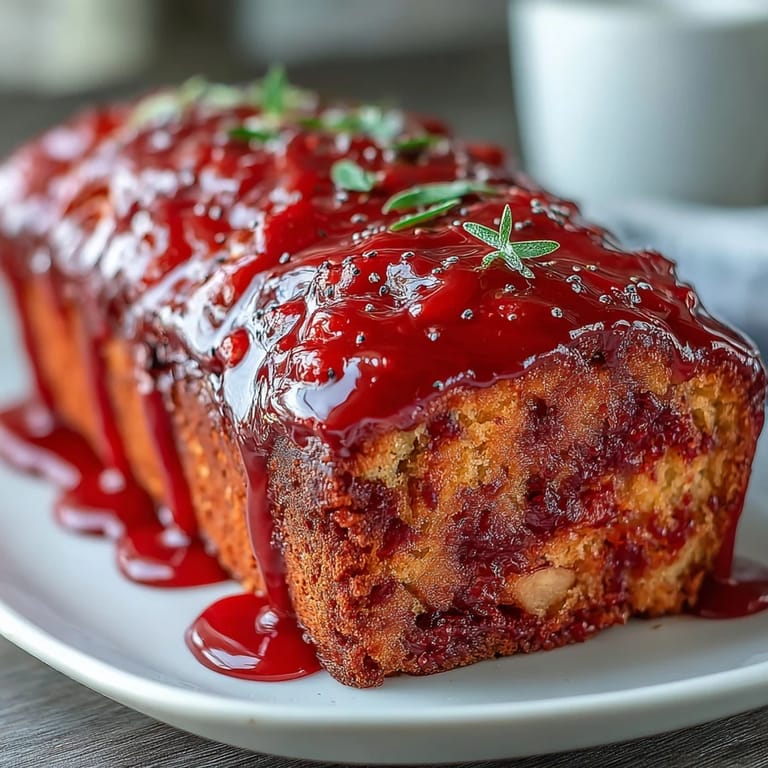
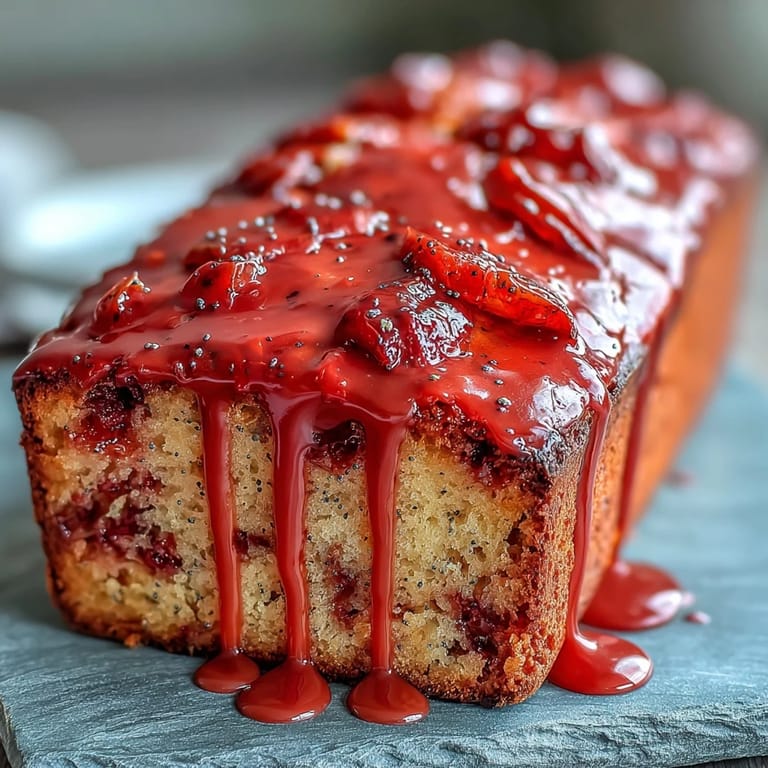
 The smell hit me before I even opened the oven: citrus and warmth, sharp and sweet at once. I was testing this cake on a gray Sunday morning when the light through the kitchen window was thin and pale, nothing like the ruby glow pooling inside the batter. Blood oranges always feel like a small rebellion against winter, and folding that color into something as simple as a loaf cake felt almost indulgent. The poppy seeds added tiny bursts of texture, and the marzipan—grated in at the last moment—melted into pockets of almond sweetness that made every slice different.
I brought this to a friend's brunch once, still warm and barely glazed. Someone sliced into it before I could stop them, and the steam carried that blood orange scent across the table. We ate it with strong coffee and butter, and by the time I left, there were only crumbs on the board. One person asked if I'd used food coloring, and I loved watching their face when I explained it was just the fruit.
Ingredients
- All-purpose flour: The backbone of the crumb, giving structure without weighing down the delicate citrus flavor.
- Baking powder: Essential for a light, tender rise that keeps the loaf from turning dense.
- Salt: Just a pinch sharpens the sweetness and brings out the orange zest.
- Poppy seeds: They add a gentle crunch and a slightly nutty, earthy contrast to the bright citrus.
- Unsalted butter: Softened to room temperature, it creams beautifully and creates that rich, tender texture.
- Granulated sugar: Sweetens the cake and helps the butter whip up light and fluffy.
- Blood orange zest: This is where the magic starts, releasing oils that perfume the entire batter.
- Large eggs: They bind everything together and add richness, so make sure theyre at room temperature for better mixing.
- Marzipan: Grated in, it melts into sweet almond pockets that make every bite a little different.
- Blood orange juice: Fresh is best, the ruby color seeps into the batter and gives it that stunning blush.
- Whole milk: Adds moisture and helps create a soft, close crumb.
- Vanilla extract: A quiet background note that rounds out the citrus without competing.
- Powdered sugar: For the glaze, it dissolves smoothly and sets into a glossy finish.
Tired of Takeout? 🥡
Get 10 meals you can make faster than delivery arrives. Seriously.
One email. No spam. Unsubscribe anytime.
Instructions
- Prepare the pan and preheat:
- Set your oven to 175°C and grease your loaf pan generously, then line it with parchment for easy release. This step saves heartbreak later when the cake refuses to budge.
- Mix the dry ingredients:
- Whisk together flour, baking powder, salt, and poppy seeds in a medium bowl until evenly combined. Set it aside and resist the urge to skip this step, it prevents lumps.
- Cream the butter and sugar:
- Beat softened butter, sugar, and blood orange zest until pale and fluffy, about three minutes. The zest will release its oils into the butter, perfuming everything.
- Add the eggs:
- Crack in one egg at a time, beating well after each addition. The mixture should look smooth and glossy, not curdled.
- Fold in the marzipan:
- Grate the marzipan directly into the bowl and fold gently until its evenly distributed. You'll see little flecks of almond paste throughout.
- Combine the wet ingredients:
- Stir together blood orange juice, milk, and vanilla in a separate bowl. The color will be stunning, a deep coral that almost glows.
- Alternate adding wet and dry:
- Add the flour mixture in three parts, alternating with the blood orange mixture, starting and ending with flour. Mix just until combined, overmixing will make the cake tough.
- Bake the loaf:
- Pour the batter into your prepared pan, smooth the top, and bake for 45 to 55 minutes. A toothpick should come out clean, but the top will still be soft and golden.
- Cool completely:
- Let the cake rest in the pan for ten minutes, then turn it out onto a wire rack. Patience here is key, glazing a warm cake will just make a mess.
- Make and apply the glaze:
- Whisk powdered sugar with blood orange juice until smooth and pourable, then drizzle it over the cooled cake. Let it set for a few minutes before slicing.
 Pin It
 This cake became my go-to for winter mornings when I needed something bright. I'd slice it thin, toast it lightly, and eat it with butter while the kettle boiled. The poppy seeds would catch in my teeth, and the marzipan would soften just enough to taste like marzipan again. It never lasted more than two days, not because it went stale, but because I kept going back for just one more slice.
Storing and Keeping
This loaf stays moist for up to three days at room temperature if you wrap it tightly in plastic or store it in an airtight container. The marzipan helps keep it soft, and the glaze acts as a gentle seal. If you want to freeze it, wrap individual slices in parchment and then foil, they thaw beautifully in about twenty minutes on the counter. I've never had one last long enough to test its true freezer life, but I'd guess a month at least.
Serving Suggestions
This cake shines alongside a pot of Earl Grey, the bergamot echoes the citrus in a way that feels almost planned. I've also served it with whipped cream or mascarpone for something richer, and once I paired it with a glass of chilled Prosecco at brunch and it felt like a small occasion. Toasting a slice brings out the poppy seeds and crisps the edges, which is lovely if you like a little texture contrast. However you serve it, let it come to room temperature first so the flavors fully bloom.
Variations and Tweaks
You can swap the marzipan for almond paste if you want a deeper, less sweet almond flavor, though it will change the texture slightly. A splash of orange liqueur in the glaze adds a grown-up edge that I love for evening gatherings. If blood oranges are out of season, regular oranges work too, though you'll lose that gorgeous blush color. Some people add a handful of slivered almonds on top before baking for crunch, and I've seen it done with a cream cheese swirl, though I prefer the simplicity of the original.
- Try adding a teaspoon of cardamom to the dry ingredients for a subtle, aromatic warmth.
- Brush the warm cake with a blood orange syrup before glazing for extra moisture and flavor.
- Top with candied blood orange slices for a stunning presentation that tastes as good as it looks.
 Pin It
 Every time I make this, I'm reminded that the best recipes are the ones that make you stop and notice, the color, the smell, the way a single slice can turn a regular afternoon into something worth remembering. Keep a blood orange or two on hand when they're in season, and this cake will give you a reason to use them.
Recipe Questions & Answers
- → Can I use regular oranges instead of blood oranges?
Yes, you can substitute regular oranges, though you'll lose the distinctive ruby color and slightly more complex flavor. The cake will still be delicious and citrusy.
- → What's the difference between marzipan and almond paste?
Marzipan contains more sugar and has a smoother, sweeter consistency, while almond paste has a higher almond content and deeper flavor. Either works beautifully in this cake.
- → How do I know when the loaf is fully baked?
Insert a toothpick into the center—it should come out clean or with just a few moist crumbs. The top should be golden and spring back when lightly pressed.
- → Can I freeze this cake?
Absolutely. Wrap the unglazed cake tightly in plastic wrap and foil, then freeze for up to 3 months. Thaw at room temperature and add the glaze before serving.
- → Why is my glaze too thick or too thin?
Adjust the consistency by adding more powdered sugar to thicken or more blood orange juice to thin. The glaze should flow slowly off a spoon for the perfect drizzle.
- → What can I serve with this loaf cake?
This pairs beautifully with whipped cream, mascarpone, or Greek yogurt. For beverages, try Earl Grey tea, coffee, or sparkling wine like Prosecco.