 Pin It
 Last spring, I found myself standing in a farmer's market with my sister, both of us mesmerized by a vendor's display of pressed violets and pansies tucked into kraft paper envelopes. She mentioned wanting something special for her garden club gathering, and I suddenly realized: why not a cake that celebrates those very flowers? That afternoon, I started experimenting with a simple vanilla cake that could showcase delicate blooms without competing for attention. The result was this spring cake—light, elegant, and honest in a way that felt right for the season.
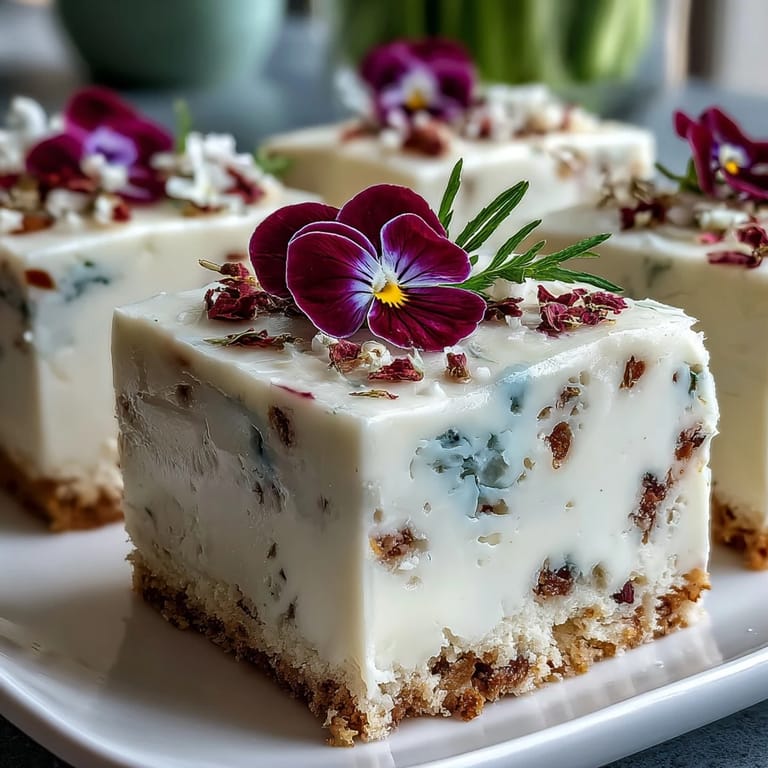
I still think about how quiet the kitchen was when my neighbor popped over and saw this cake sitting on the counter with afternoon light streaming across those purple violets. She didn't say much at first, just looked. Then she asked if I could make one for her daughter's graduation. There's something about edible flowers that makes people pause—it signals that you've taken time to think about beauty and flavor working together.
Ingredients
- All-purpose flour (2 1/2 cups): The foundation that keeps the cake tender when we don't overmix it—sifting isn't just for show, it aerates and prevents lumps.
- Baking powder (2 1/2 tsp): Your leavening agent that lifts the cake without bitterness; make sure it's fresh or the cake can turn dense.
- Salt (1/2 tsp): Brings out vanilla flavor in ways you won't recognize until it's missing.
- Unsalted butter (1 cup), softened: Room temperature butter creams into sugar more evenly, creating that essential fluffy base.
- Granulated sugar (1 3/4 cups): Creaming this with butter aerates the batter and ensures even crumb structure.
- Eggs (4 large), room temperature: Cold eggs don't emulsify properly; letting them sit out makes a difference in how the cake rises.
- Pure vanilla extract (1 tbsp): Don't skimp on vanilla—it's the quiet backbone of this cake's elegance.
- Whole milk (1 cup), room temperature: Another temperature detail that matters; cold milk can seize the batter.
- Heavy whipping cream (2 cups), cold: The contrast between chilled cream and room temperature cake is what gives you those stiff peaks.
- Powdered sugar (1/2 cup): Dissolves into the cream without graininess, keeping the frosting silky.
- Pressed edible flowers (1/2 to 1 cup): Source these from farmers markets or specialty suppliers—they must be organically grown and unsprayed, and pressing them between parchment and books for at least 24 hours before use keeps them from breaking.
- Fresh mint leaves (optional): A living green that adds freshness when flowers alone feel too formal.
Tired of Takeout? 🥡
Get 10 meals you can make faster than delivery arrives. Seriously.
One email. No spam. Unsubscribe anytime.
Instructions
- Set your stage:
- Preheat the oven to 350°F and line two 8-inch pans with parchment paper—this prevents sticking and makes sure your cake layers come out cleanly. Grease the parchment too, just to be safe.
- Combine your dry ingredients:
- Sift flour, baking powder, and salt together into a bowl; sifting lightens the flour and distributes the leavening evenly. This step is where precision pays off.
- Cream butter and sugar:
- Beat softened butter and sugar for 3 to 4 minutes until the mixture is pale and fluffy—this incorporates air that helps the cake rise. You should see the color lighten noticeably.
- Incorporate eggs one by one:
- Add each egg individually and mix after each one before adding the next; this ensures even emulsification and keeps the batter from breaking or looking curdled. It's slow but necessary.
- Add vanilla:
- Stir in the vanilla extract and let it distribute fully through the butter mixture.
- Alternate flour and milk:
- Begin with a third of the flour mixture, then add a third of the milk, then flour again—this pattern (flour, milk, flour, milk, flour) prevents overworking while keeping everything incorporated. Mix just until combined; overmixing develops gluten and toughens the cake.
- Pour and bake:
- Divide batter evenly between the pans, smooth the tops, and bake 30 to 35 minutes until a toothpick comes out clean. The kitchen will smell like vanilla heaven.
- Cool with patience:
- Let cakes rest in the pans for 10 minutes so they set slightly, then turn them out onto wire racks to cool completely. Frosting a warm cake is a recipe for sliding layers.
- Whip your cream:
- While cakes cool, beat cold heavy cream with powdered sugar and vanilla in a chilled bowl until stiff peaks form—don't overbeat or you'll have butter. Stop when it looks like clouds.
- Assemble the cake:
- Place one cooled layer on your serving plate, spread a generous layer of whipped cream on top, then place the second layer on it. Frost the top and sides with remaining whipped cream, using an offset spatula for smooth edges.
- Press flowers onto frosting:
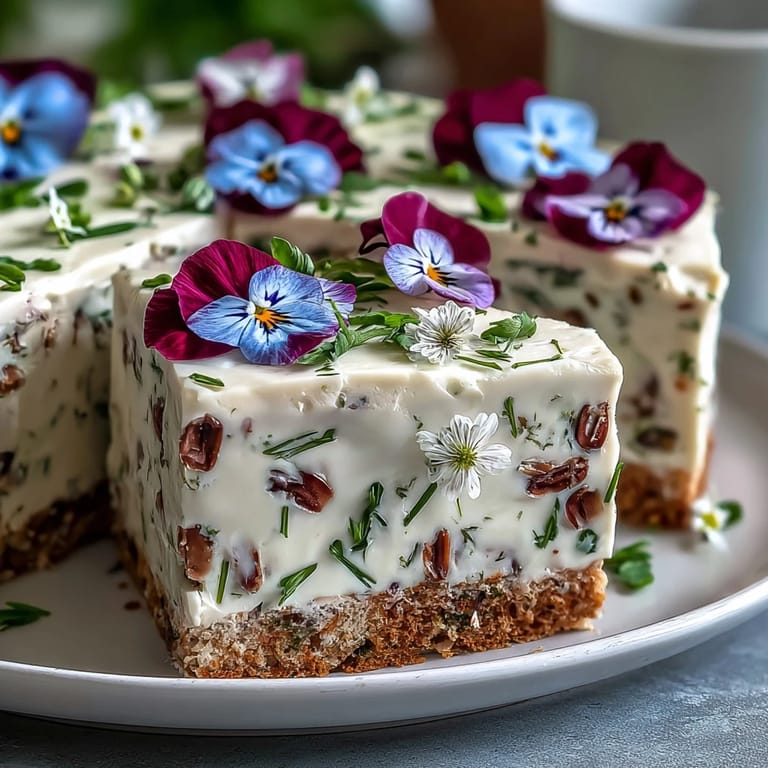
- Gently press your pressed flowers onto the cream—they'll stick slightly as the frosting sets. Arrange them with intention, treating this like the final touch of a painting.
- Chill and serve:
- Refrigerate the finished cake for at least 30 minutes so the frosting firms up and the flowers settle into place. This also gives the flavors a moment to marry.
 Pin It
 I remember my sister's face when she brought this cake to her garden club meeting and everyone gathered around it like it was museum art. Someone asked if the flowers were real, and when she said yes, the whole room shifted. Food that's beautiful and thoughtful does something to people—it says you noticed them enough to make something that feels like a small act of care.
Why Pressing Flowers Matters
Pressed flowers aren't just decoration; they're a way of capturing spring and holding it still on a cake. When you press them between parchment and books for at least 24 hours, you're removing moisture that would make them curl or rot once on the cake. I learned this the hard way by trying to use freshly picked flowers and watching them brown within an hour. The pressing also flattens them, so they adhere more naturally to the frosting surface instead of looking like they're about to fall off.
Choosing Your Flowers Wisely
Not every flower is edible, and not every edible flower is safe to eat raw on a cake. Violets, pansies, nasturtiums, rose petals, and chamomile are tried-and-true choices that taste pleasant or neutral. The critical part is sourcing—you need organically grown flowers that have never been sprayed with pesticides or fungicides. Farmers markets usually have vendors who specialize in this, or you can grow your own edible flowers in a dedicated corner of your garden, knowing exactly what's gone on them.
Variations and Occasions
This cake is endlessly adaptable depending on the moment. A hint of lemon zest added to the batter brightens everything, especially if your flowers lean toward citrusy pansies. For a more dramatic presentation, you can layer the whipped cream with a thin jam (raspberry or strawberry) between the cake layers. Sometimes I dust the top with a tiny bit of edible glitter or gold leaf before pressing the flowers, though honestly, the flowers themselves are enough spectacle. The beauty of this recipe is that it's subtle enough to let your chosen flowers be the story.
- Add 1 to 2 teaspoons of lemon zest to the batter for brightness.
- Layer a thin spread of raspberry or strawberry jam between cake layers for tartness.
- Keep flowers as the sole decoration if you want an elegant, understated look.
 Pin It
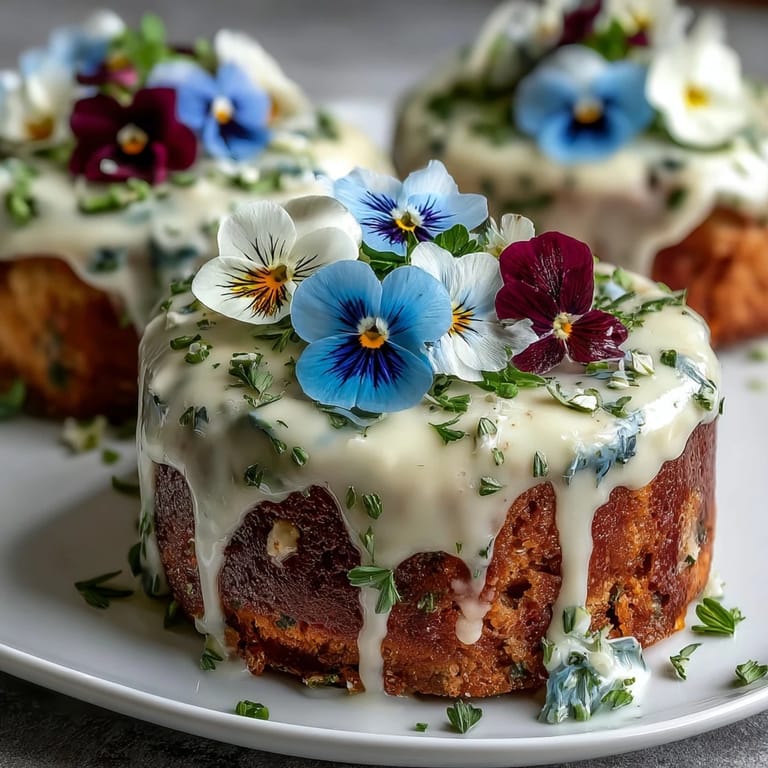
 There's something generous about serving a cake decorated with flowers you've taken time to press and arrange. It's not complicated, but it feels intentional, and people notice that. This is the kind of cake that turns an ordinary spring afternoon into something remembered.
Recipe Questions & Answers
- → How do you prepare the edible flowers for decoration?
Use organically grown, unsprayed flowers pressed between parchment paper and heavy books for at least 24 hours to ensure they are dry and flat.
- → What’s the best way to achieve stiff peaks for the whipped cream?
Chill the mixing bowl and beat the heavy cream along with powdered sugar and vanilla extract until firm peaks hold shape but remain smooth.
- → Can I add a citrus flavor to the cake?
Yes, incorporating 1–2 teaspoons of lemon zest into the batter adds a fresh, citrusy note that complements the vanilla and floral accents.
- → How long should the cake chill before serving?
Chill the finished cake for at least 30 minutes to allow the frosting and flowers to set properly for clean slices and presentation.
- → Are any special tools needed for layering and frosting?
An offset spatula or knife works best to spread the whipped cream smoothly between cake layers and over the exterior for an even finish.