 Pin It
 My neighbor brought over a jar of guava paste one afternoon, still warm from her kitchen, and I tasted it straight from the spoon—that moment when something so simple stops you in your tracks. She'd spent hours reducing guavas down to this jewel-toned concentrate, and it tasted like concentrated sunshine and patience. That afternoon taught me that guava paste isn't just a condiment; it's a small triumph, the kind of thing that makes you feel accomplished the moment it sets.
Years ago, I made this paste for the first time while my mother was visiting from out of town, and she sat at the kitchen table watching it bubble and thicken, telling stories about the guava trees from her childhood. By the time it cooled and set, it had become something more than food—it was a conversation made edible, a bridge between then and now. We sliced it and ate it with sharp cheese that evening, and she asked for the recipe before she even finished her plate.
Ingredients
- Ripe guavas (1 kg or 2.2 lbs): Choose ones that yield slightly to pressure and smell fragrant; underripe guavas will be too tart and watery, while overripe ones lose their structure.
- Granulated sugar (450 g or 2 1/4 cups): This is your thickener and preservative; the ratio matters because too little leaves it loose and too much makes it candy-hard.
- Fresh lemon juice (2 tbsp): The acid brightens the tropical sweetness and helps the paste set properly, so don't skip it or substitute with bottled juice if you can help it.
- Water (120 ml or 1/2 cup): Just enough to help the guavas soften without diluting all their flavor away.
Tired of Takeout? 🥡
Get 10 meals you can make faster than delivery arrives. Seriously.
One email. No spam. Unsubscribe anytime.
Instructions
- Prepare and cook the guavas:
- Wash your guavas under cool water, trim both ends, and quarter them without overthinking it. Drop them into a large pot with the water, bring everything to a rolling boil, then lower the heat, cover, and let them simmer for 15 to 20 minutes until they collapse easily when you poke them with a spoon.
- Strain out the solids:
- Here's where patience pays off: push the soft guavas through a food mill or fine mesh strainer, working in batches if needed and letting gravity do most of the work. This separates the silky pulp from seeds and tough skins, giving you that luxurious texture.
- Measure and combine:
- Once you've got your guava puree, measure it (you'll likely have around 2 cups). Return it to the pot and stir in the sugar and lemon juice, mixing until the sugar starts to dissolve.
- Cook it down slowly:
- Set the heat to low and stir almost constantly with a wooden spoon, scraping the bottom and corners where the mixture loves to stick and burn. This takes 40 to 50 minutes, and yes, it's a bit of a commitment, but the constant stirring prevents lumps and ensures even cooking.
- Know when it's done:
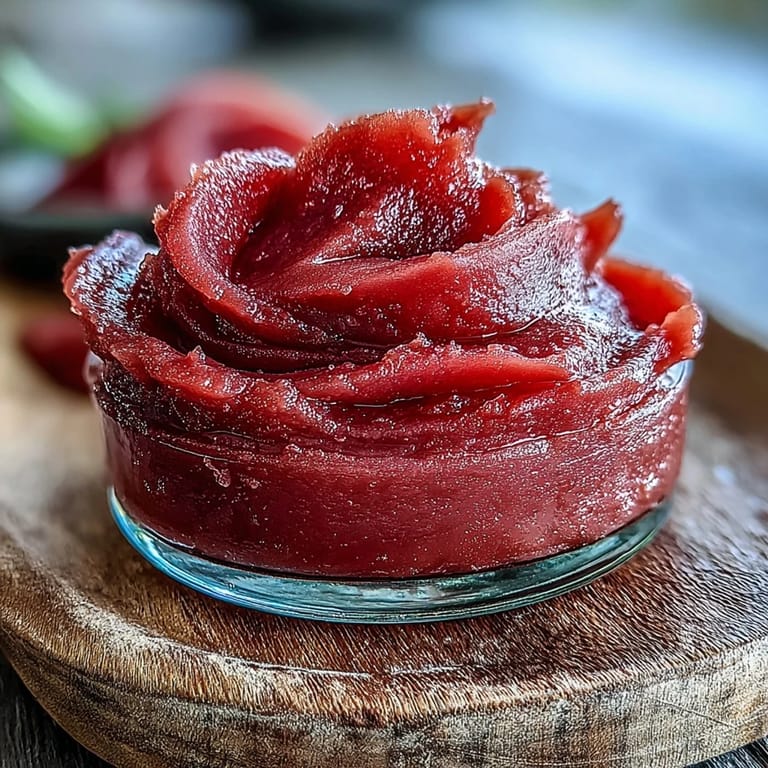
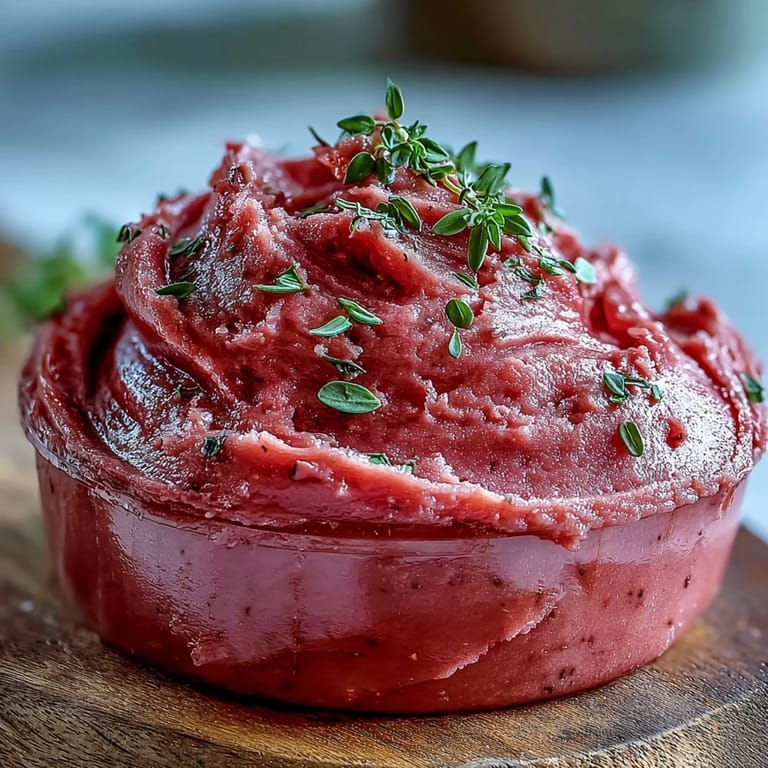
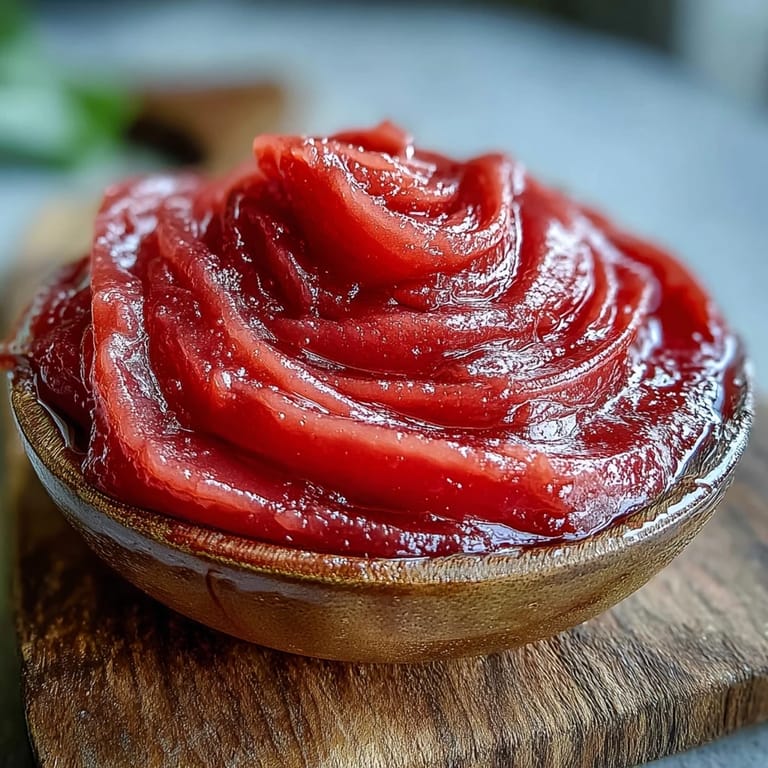
- The paste will transform from a loose puree into something glossy and thick that holds its shape when you drop a spoonful on a cool plate. It should pull away slightly from the sides of the pan when you stir.
- Set and cool:
- Pour the hot paste into a parchment-lined loaf pan or baking dish, smooth the top if you're feeling neat about it, and let it sit at room temperature for 2 to 3 hours until it firms up completely. Only then should you unmold it and slice.
 Pin It
 I once made a batch that was slightly too soft, and instead of lamenting it, I spooned it into pastry shells and baked them, creating accidental guava tarts that turned out to be the best mistake I've ever made. It's the kind of recipe that forgives small miscalculations and sometimes rewards them.
The Magic of Timing
The cooking time might seem long, but those 40 to 50 minutes are where the real transformation happens. The mixture goes from looking like fruit soup to becoming this concentrated, almost jewel-like substance, and the slower you go, the better the flavor develops. I've learned that rushing it with high heat gives you something that tastes cooked rather than refined.
How to Slice It Right
Once your paste has completely cooled and set, run a thin knife under hot water and wipe it dry between each slice for clean cuts. Some people like their slices thick and substantial, while others prefer thin slivers to lay across cheese or tuck into pastries—there's no wrong way, just your preference.
Pairing and Serving Ideas
This paste is a bridge-maker, equally at home on a rustic charcuterie board as it is tucked into the center of a thumbprint cookie or layered into a pastry. The tartness of aged Manchego or the creamy funk of a triple-cream cheese both make it sing, and crackers become almost secondary—the paste is the star.
- Serve it at room temperature so the flavors stay bright and the texture stays sliceable and pleasant.
- Pair it with salty, savory elements to let the tropical sweetness do its job.
- Don't forget that a small spoonful on vanilla ice cream or mixed into yogurt can turn breakfast or dessert into something memorable.
 Pin It
 Making guava paste is quiet work, the kind of cooking that lets your mind wander while your hands stay busy. By the time it's done, you'll have made something that tastes expensive, keeps forever, and reminds you every time you taste it why you bothered in the first place.
Recipe Questions & Answers
- → How do I know when the guava paste is ready?
The paste is ready when it becomes thick, glossy, and holds its shape on a spoon. You'll notice it pulling away from the sides of the pan as you stir.
- → Can I use frozen guavas?
Fresh guavas work best for optimal texture and flavor, though thawed frozen guavas may work in a pinch. Expect slightly longer cooking time to evaporate extra moisture.
- → How long does homemade guava paste last?
Stored properly in an airtight container in the refrigerator, guava paste keeps for up to 3 months while maintaining quality and flavor.
- → What's the best way to serve guava paste?
Guava paste shines when paired with Manchego or other firm cheeses, served with crackers on charcuterie boards, or used as a filling for pastries and empanadas.
- → Should I remove the seeds?
Removing seeds during pureeing creates the smoothest texture. Use a food mill or fine mesh strainer to separate pulp from seeds and skins for best results.
- → Can I adjust the sweetness?
Absolutely. Taste your guavas first—if they're naturally sweet, reduce sugar slightly. The lemon juice provides balance and helps preserve the vibrant color.