 Pin It
 I discovered cottage cheese blended into mac and cheese sauce by accident one weeknight when I was out of heavy cream. The result was so silky and rich that I started keeping cottage cheese stocked just for this. It sounds counterintuitive until you taste how the blender transforms those curds into something luxurious, and the protein boost feels like sneaking health into comfort food without anyone noticing.
I made this for my sister last month when she was between groceries and staying at my place, and she ate two bowls before asking what I did differently. When I told her it was cottage cheese, she laughed—but then asked for the recipe. That moment when someone realizes comfort food can actually be good for you feels like a small victory.
Ingredients
- High-protein pasta (300 g): Chickpea or lentil pasta gives you double the protein of regular pasta, and the texture holds the sauce beautifully without turning mushy.
- Low-fat cottage cheese (300 g): This is the secret ingredient that creates that velvety sauce when blended smooth, and it's why this dish keeps you full.
- Low-fat milk (120 ml): Just enough to help the blender work its magic and loosen the sauce to the right consistency.
- Sharp cheddar cheese (100 g): Shredded sharp cheddar has more flavor punch than mild, so you need less and keep the calories in check.
- Parmesan cheese (40 g): Freshly grated Parmesan adds a nutty depth that transforms this from simple to sophisticated.
- Nutritional yeast (1 tbsp, optional): A sprinkle adds umami and extra B vitamins if you want to push the nutritional envelope even further.
- Cornstarch (1 tbsp): This little bit thickens the sauce without any cream, and it keeps everything silky as it heats.
- Dijon mustard (1 tsp): A tiny amount wakes up all the cheese flavors without making it taste spicy.
- Garlic and onion powder (½ tsp each): These add depth and prevent the sauce from tasting flat or one-dimensional.
- Black pepper and salt (¼ tsp each): Season to taste as you go, because everyone's palate is different.
Tired of Takeout? 🥡
Get 10 meals you can make faster than delivery arrives. Seriously.
One email. No spam. Unsubscribe anytime.
Instructions
- Boil your pasta until just tender:
- Fill a large pot with salted water and bring it to a rolling boil—it should taste like the sea. Cook the pasta according to package instructions until it's al dente, meaning it still has a tiny bit of firmness when you bite it, then drain and set it aside while you reserve that starchy cooking water.
- Blend the cottage cheese magic:
- Combine the cottage cheese, milk, both cheeses, nutritional yeast if using, cornstarch, mustard, garlic powder, onion powder, pepper, and salt in your blender and let it run until completely smooth and creamy—this usually takes about 60 to 90 seconds, and you want no grainy texture at all.
- Heat and thicken the sauce gently:
- Pour your blended mixture into a saucepan over medium-low heat and whisk constantly so nothing sticks or burns on the bottom. Watch it carefully as it warms, because once it starts to bubble at the edges and thicken noticeably (around 3 to 5 minutes), you're there—if it seems too thick, loosen it with a splash of that reserved pasta water.
- Marry the pasta and sauce:
- Add your drained pasta to the sauce and toss everything together with confidence, making sure each piece gets coated in that velvety goodness. Let it heat through for another minute or two so the pasta soaks up the flavors.
- Optional broiler finish:
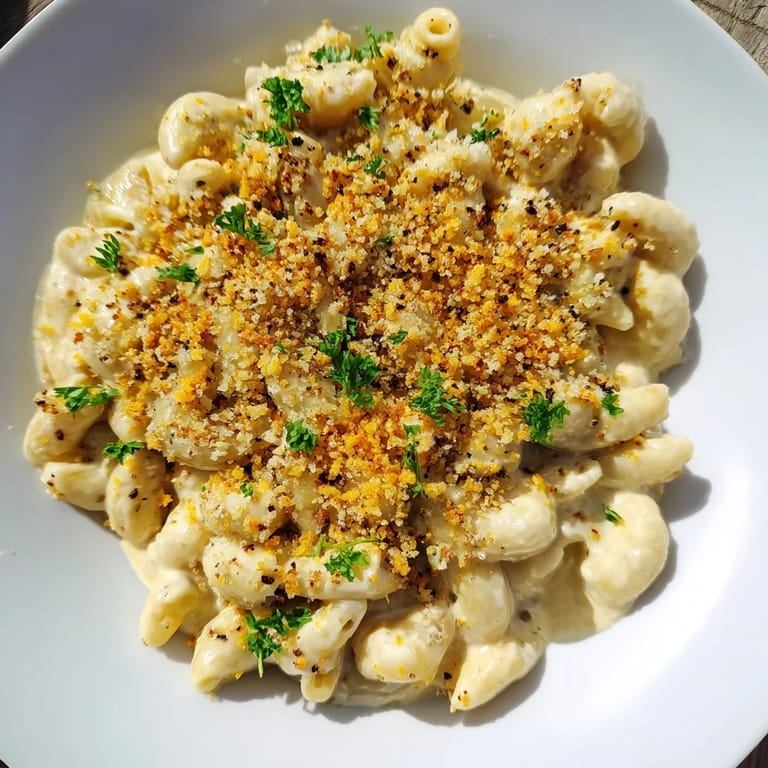
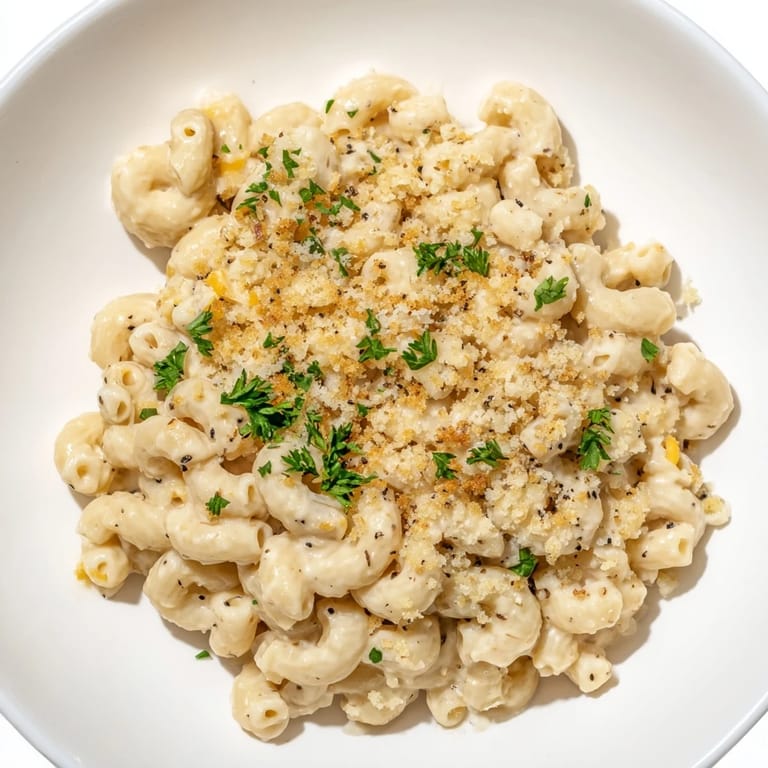
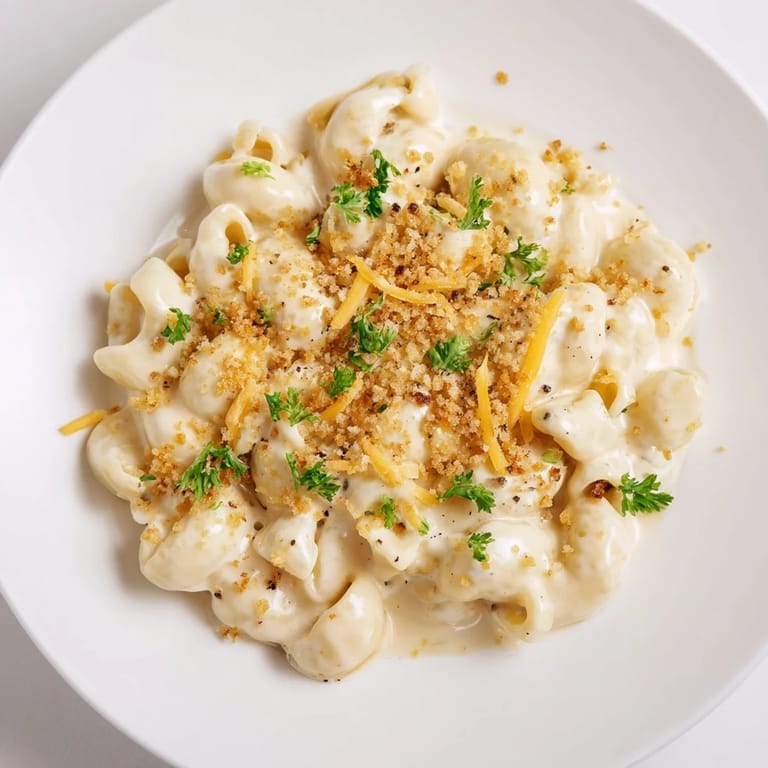
- If you want crunch, transfer everything to a baking dish, scatter breadcrumbs on top, and slide it under the broiler for 2 to 3 minutes until the crumbs turn golden brown. Watch it the whole time since broilers can go from golden to burnt in seconds.
- Plate and serve:
- Divide it into bowls while it's still warm, scatter fresh parsley on top if you have it, and serve immediately so you catch that perfect creamy-to-cheesy ratio.
 Pin It
 One rainy Sunday, I served this to friends who were skeptical about the whole high-protein angle, and by the end of the meal they were asking for seconds and thirds. There's something satisfying about creating comfort food that actually fuels your body instead of leaving you drowsy an hour later.
Building Flavor Layers
The Dijon mustard might seem like an odd addition, but it's actually a classic trick from French cooking—it doesn't make the dish spicy or mustardy, it just amplifies everything around it and prevents the sauce from tasting flat. The same goes for the garlic and onion powder; they're not the main event, they're the supporting cast that makes the cheeses shine brighter. I learned this after making mac and cheese a hundred different ways, and now I never skip them.
Playing With Variations
The beauty of this base recipe is that it invites customization without falling apart. Stir in some steamed broccoli or roasted butternut squash for vegetables, throw in shredded cooked chicken for even more protein, or swap the sharp cheddar for Gruyère or Monterey Jack if you want to explore different flavor territories. I've even added a pinch of cayenne pepper on nights when I wanted something with a gentle warmth to it.
Storage and Reheating
This mac and cheese keeps beautifully in the fridge for three days, making it a perfect make-ahead option for busy weeks when you want something satisfying without the cooking effort. Reheat it gently in a saucepan over low heat with a splash of milk if needed, stirring often so the sauce stays creamy and doesn't break.
- Store leftovers in an airtight container and reheat on the stovetop for the best texture, not the microwave.
- If you made the broiled topping version, the breadcrumbs will soften when stored, so either skip the topping for storage or eat that version fresh.
- Freeze portions for up to a month, and thaw overnight in the fridge before reheating gently.
 Pin It
 This recipe proved to me that healthy eating doesn't mean sacrificing the foods that make us happy. It's become my go-to when I want to feed people something that feels like home.
Recipe Questions & Answers
- → Can I use gluten-free pasta in this dish?
Yes, gluten-free pasta works well and maintains the texture and flavor balance of the dish.
- → What type of cheese is best for the sauce?
A blend of low-fat cottage cheese, sharp cheddar, and Parmesan creates a rich, creamy texture with depth of flavor.
- → How can I make the sauce smoother?
Blending the cottage cheese and other ingredients thoroughly ensures a velvety, lump-free sauce.
- → Is the breadcrumb topping necessary?
The breadcrumbs add a crunchy contrast when broiled, but you can skip them for a smooth, classic finish.
- → Can I add vegetables or protein to this dish?
Yes, stir in cooked chicken or steamed broccoli for extra protein and variety.