 Pin It
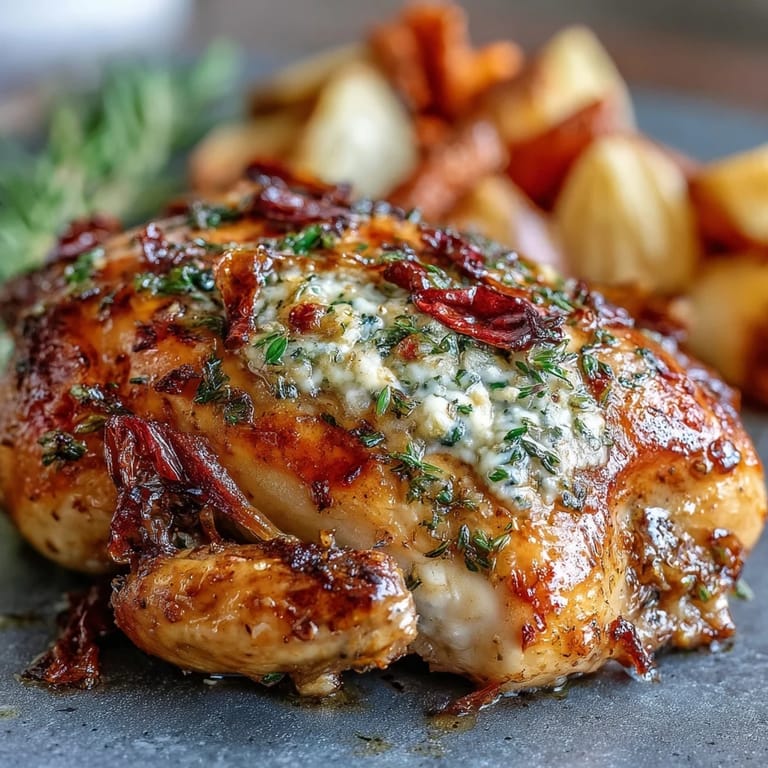
 Something about roasting a chicken fills the kitchen with a calm, focused buzz—there's the sound of butter being mixed with fresh herbs and the subtle aroma of preserved lemon that tells you something special is about to hit the table. The first time I experimented with herb butter tucked under the skin, I was honestly just improvising because I had leftover preserved lemons from a different recipe. The result was a golden brown roast that got my family wandering in, noses twitching, long before dinner was ready. There are days when this recipe feels fancy, but more often it's just a reliable pathway to a great meal. The sizzle as the chicken hits the roasting pan always makes me grin, no matter how many times I've made it.
The last time I made this for friends on a chilly Sunday, it turned into an impromptu roast chicken feast with wine, laughter, and second helpings all around. Someone ended up carving at the table, and the herby sauce got mopped up with crusty bread before I'd even managed to serve the vegetables properly.
Ingredients
- Unsalted butter: Softened butter mixes easily with herbs and spreads smoothly under the chicken skin for even flavor and crispy skin.
- Fresh parsley: Adds bright, grassy notes; chopping it extra fine helps distribute its freshness throughout the butter.
- Fresh thyme: Lends gentle aromatic depth; stripping the leaves before chopping keeps bitter stems out.
- Fresh rosemary: Bold earthiness—mince the needles well so there are no tough bites.
- Garlic cloves: Intensifies flavor, but mince it finely so it melts into the butter during roasting.
- Preserved lemon (rind and quarters): Gives a punchy tang and richness that's impossible to mimic; if you’re using it for the first time, go light—you can always add more next time.
- Sea salt & Freshly ground black pepper: Vital for seasoning layers; don't skip seasoning inside and out.
- Whole chicken: Look for a bird with clear skin and no strong odor; patting it dry is absolutely worth the effort for crispy results.
- Onion and lemon (for stuffing): Keep the cavity juicy and aromatic; quartering allows flavors to infuse gently.
- Olive oil: Brushing it over the skin helps with browning and keeps everything moist.
- Fresh herb sprigs: Stuffing with extra herbs adds subtle depth, and they look picturesque peeking out.
- Carrots, celery, onion (roasting pan): These vegetables form the flavor base and become sweet and concentrated under the chicken.
- Dry white wine or chicken broth: Adds moisture and creates delicious pan juices for serving—choose wine you’d actually drink.
Tired of Takeout? 🥡
Get 10 meals you can make faster than delivery arrives. Seriously.
One email. No spam. Unsubscribe anytime.
Instructions
- Heat the oven:
- Flip your oven to 220°C (425°F) so it’s already hot when the chicken goes in—this helps crisp the skin right from the start.
- Make the herb butter:
- Combine the softened butter with parsley, thyme, rosemary, garlic, chopped preserved lemon rind, salt, and pepper until it is utterly green-flecked and fragrant.
- Butter under the skin:
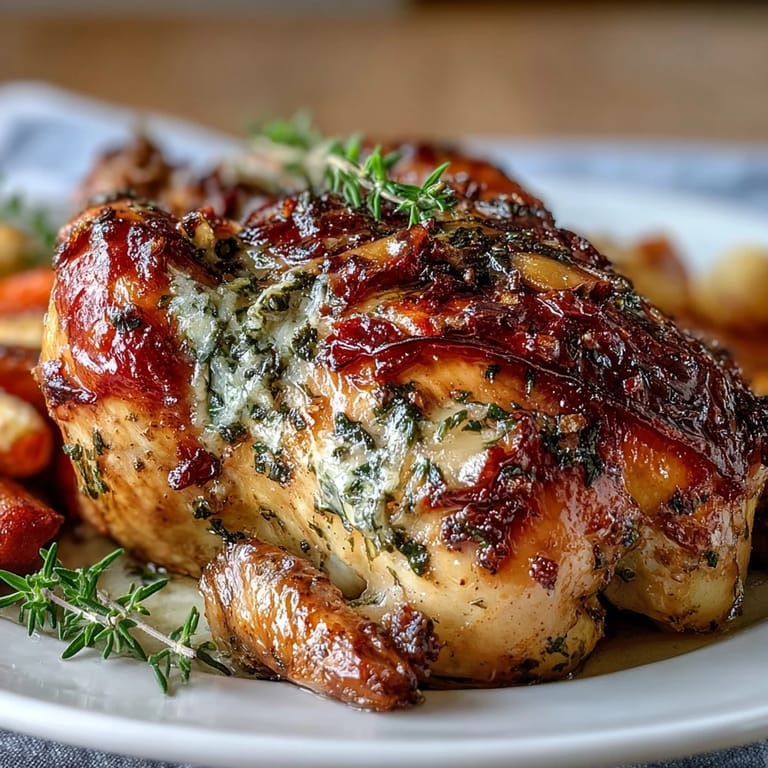
- Gently slide your fingers under the chicken skin over the breasts and thighs, then massage most of the herb butter underneath, smoothing it over the meat; rub the rest all around the exterior.
- Fill the cavity:
- Stuff the inside with preserved lemon quarters, onion, halved lemon, and a handful of herb sprigs, tucking everything in snugly.
- Truss and tuck:
- Tie the legs together with kitchen twine for even cooking, and fold the wings underneath so they don’t burn.
- Layer the pan:
- Scatter carrots, celery, and onion in the roasting pan and pour in the wine or broth, letting the chicken rest on this colorful bed.
- Oil and season:
- Drizzle olive oil over the chicken, giving it a gentle massage, then sprinkle generously with salt and pepper.
- Roast and baste:
- Roast for 20 minutes at high heat, then lower to 180°C (350°F) and keep roasting for another hour, basting with pan juices now and then until beautifully golden and the juices run clear.
- Rest and carve:
- Cover the bird loosely with foil and let it rest 15 minutes so the juices redistribute—grab your carving knife and serve with the buttery, herby pan sauce.
 Pin It
 I’ll never forget the time my little niece asked me why the chicken smelled so “fancy”—that’s when I realized how a little herby butter and preserved lemon could turn a regular dinner into an occasion the whole table remembers.
Tips for Juicy, Crispy Roasts Every Time
Letting the chicken come up to room temperature before roasting helps it cook evenly and develop a consistently crisp skin. Basting with the flavorful pan juices halfway through always brings extra shine to the finished bird, and don’t skip resting—the juiciest slices happen when you let it sit a while before carving.
Making It Work for Weeknights
If you’re short on time, you can prep the herb butter and stuff the chicken the night before. Sometimes I slip a couple potatoes into the corners of the roasting pan so everything is ready together, and have even swapped the wine for stock when it was all I had on hand with great results.
How to Use Leftovers and Make Ahead
Day-old roast chicken is a revelation—chop it into salads, fold into sandwiches, or add the bones and scraps to a simmering pot for broth that perfumes the whole house. When prepping in advance, I assemble everything but hold off on the final seasoning and olive oil drizzle until ready to roast.
- If serving with potatoes, add them to the pan after the chicken has roasted for 20 minutes.
- Leftover pan juices make an excellent base for a quick gravy with just a spoonful of flour.
- Serve cold slices on toasted bread for a perfect next-day lunch.
 Pin It
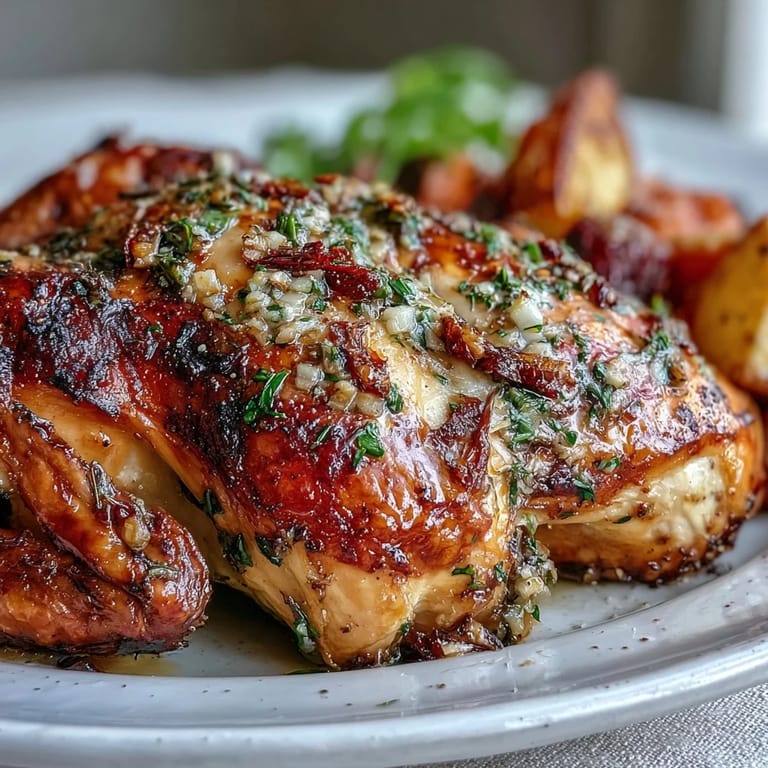
 This roast chicken is proof that a little attention and the right ingredients can elevate even an ordinary Sunday into something you’ll want to repeat. Whether you’re sharing it with family or just treating yourself on a quiet night in, it always brings comfort and just the right amount of celebration to the table.
Recipe Questions & Answers
- → How do I get extra crispy skin?
Pat the bird very dry before applying the herb butter, start roasting at a high temperature (220°C) for the first 20 minutes, then lower the heat. The fat under the skin and occasional basting with pan juices promote golden, crisp skin.
- → Can I swap preserved lemon for fresh lemon?
Yes. Use finely grated fresh lemon zest and a little juice to mimic the bright, tangy lift. Preserved lemon adds a mellow fermented note, so increase zest slightly to balance if substituting.
- → How can I check for doneness without a thermometer?
While an instant-read thermometer to 75°C (165°F) is best, you can pierce the thickest thigh; juices should run clear, not pink. Also ensure legs move freely at the joint and the cavity is hot to the touch.
- → Should I brine the chicken first?
Brining can increase juiciness, but the herb butter under the skin already seasons and bastes the meat. If you brine, reduce added salt in the butter and seasoning to avoid over-salting.
- → What vegetables work best in the roasting pan?
Carrots, celery and onion create a flavorful bed that lifts the bird and soaks up juices. Add potatoes for a one-pan meal or root vegetables cut into large chunks for even roasting.
- → Can I prepare the herb butter ahead of time?
Yes. Make the herb butter up to 2 days ahead and keep chilled. Soften slightly before spreading under the skin for even distribution; it also firms if chilled, making it easier to slip under skin.