 Pin It
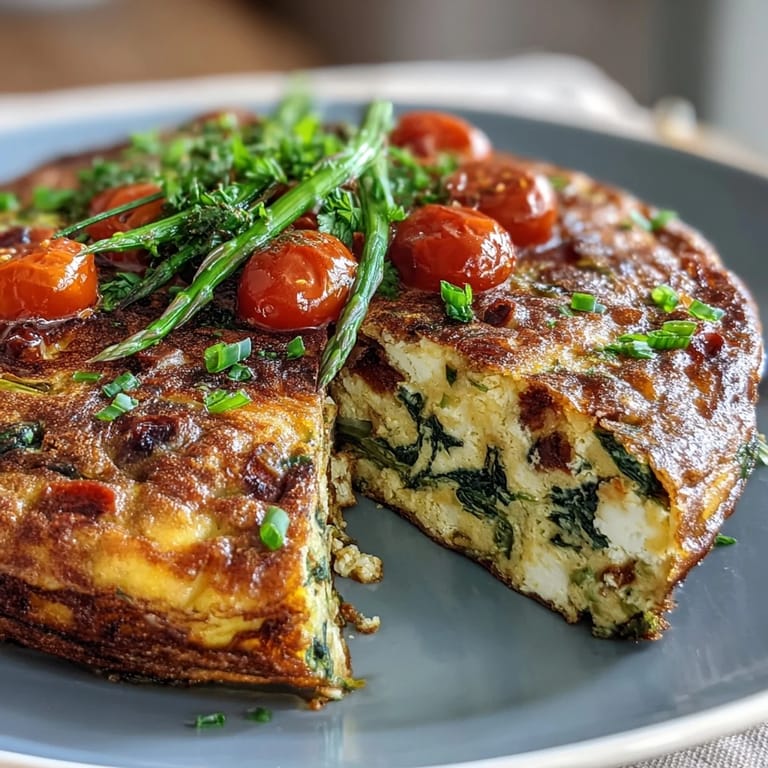
 There's something about spring that makes me want to cook with my hands full of fresh vegetables, and this frittata happened during one of those chaotic Saturday mornings when I had asparagus, spinach, and tomatoes threatening to wilt in my crisper drawer. My daughter wandered into the kitchen asking what smelled so good, and within minutes she was helping me chop herbs while the pan sizzled on the stove. By the time we pulled it from the oven, golden and puffy, we had already decided it would become our go-to brunch solution for weeks to come.
I made this for my sister's surprise visit last month, and she arrived right as the frittata was coming out of the oven. The way her face lit up when she realized I'd made a proper breakfast from scratch instead of just scrambling eggs felt like a small victory in the kitchen. We sat on the back porch eating warm slices with crusty bread, talking about everything and nothing, and I realized this simple dish had somehow become my favorite way to show people I was glad they were there.
Ingredients
- Asparagus: Buy firm stalks and trim about an inch from the bottom where they naturally snap; this vegetable adds a delicate spring flavor and cooks perfectly in the time the frittata needs.
- Baby spinach: The tender leaves wilt quickly and add earthiness without overwhelming the dish; don't stress about chopping it perfectly since it shrinks down anyway.
- Cherry tomatoes: Halving them keeps them from rolling around and they burst slightly as they cook, releasing sweet juice throughout.
- Zucchini: Dice it small so it softens evenly; larger pieces tend to stay firm while the rest of the frittata sets.
- Red onion: This adds a light sweetness and mild bite; finely chop it so it disappears into the background rather than demanding attention.
- Eggs: Use the largest ones you can find because they give you more yolk, which creates a richer, more custardy texture.
- Milk: A splash keeps the eggs tender rather than rubbery; use whatever you have, including oat or almond milk without guilt.
- Feta cheese: Crumble it into uneven pieces so some parts get melty and others stay slightly chalky, creating nice texture variation.
- Fresh herbs: Parsley and chives stay bright and lively; add them after cooking rather than before so they don't lose their punch.
- Olive oil: Just enough to coat the pan and prevent sticking without making the frittata feel heavy.
Tired of Takeout? 🥡
Get 10 meals you can make faster than delivery arrives. Seriously.
One email. No spam. Unsubscribe anytime.
Instructions
- Heat your oven and prep your pan:
- Get that oven to 375°F and pull out your 10-inch skillet, making sure it has an oven-safe handle or you'll be cursing yourself later. If you're not sure about the handle, wrap it in foil as a safety measure.
- Start with the aromatics:
- Warm olive oil over medium heat and let that red onion soften for a couple minutes, breathing in the sweet smell. You'll know it's ready when the edges turn translucent and the kitchen starts smelling like brunch.
- Build your vegetable base:
- Add asparagus and zucchini with a pinch of salt, stirring every so often for 3 to 4 minutes until they're just tender but still have a tiny bit of resistance. They'll continue cooking in the oven, so don't overdo it here.
- Wilt in the delicate vegetables:
- Toss in spinach and cherry tomatoes and let them soften for 1 to 2 minutes, watching as the spinach transforms from a heap to something silky. The tomato halves will start releasing their juice into the pan.
- Whisk your egg mixture:
- In a separate bowl, whisk together eggs, milk, salt, pepper, and red pepper flakes until everything is combined and pale. Don't skip the whisking because it's what creates that light, fluffy texture.
- Pour and top:
- Pour the egg mixture evenly over your vegetables, then scatter feta, parsley, and chives across the top like you're creating something intentional. The herbs will stay bright green and the cheese will create little pockets of flavor.
- Start on the stovetop:
- Let the whole thing cook over medium heat for 2 to 3 minutes until you see the edges starting to set and pull away slightly from the sides of the pan. You want the bottom to firm up just enough so it won't slosh when you move it.
- Finish in the oven:
- Transfer the skillet to the oven carefully and bake for 10 to 12 minutes until the center barely jigglies when you give it a gentle shake and the top is lightly golden. It'll continue cooking slightly after you remove it, so don't wait for it to look completely firm.
- Cool and serve:
- Let it rest for a few minutes so the eggs set fully, then slice into wedges and serve it warm, at room temperature, or even cold from the fridge tomorrow.
 Pin It
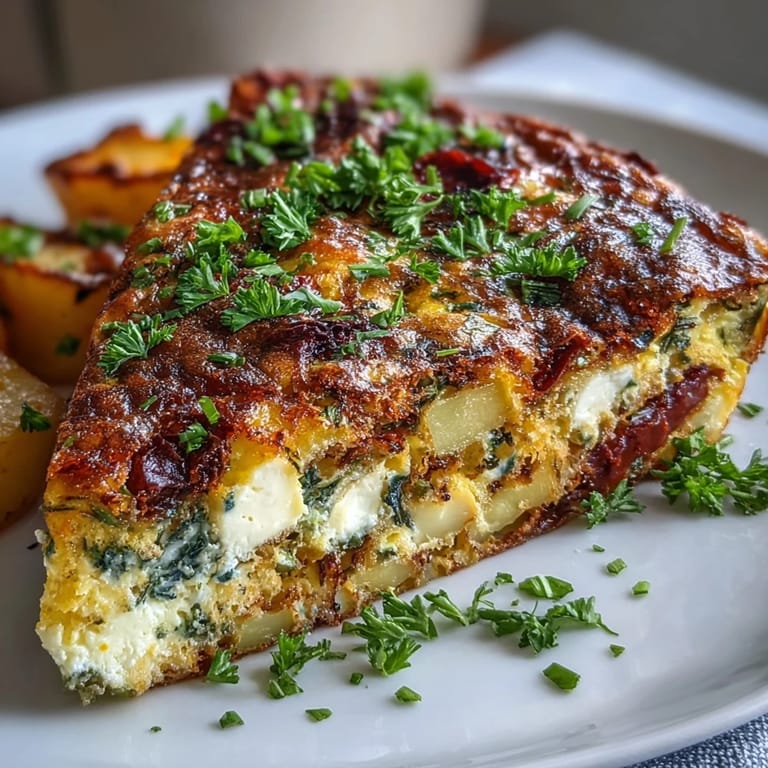
 This dish transformed into something beyond breakfast for us when we started making it on Sunday mornings as a rhythm of the week, a time when we'd all gather around without phones or schedules interrupting. It became less about the food and more about the ritual, the way cooking something together with intention seems to matter more than cooking something alone for efficiency.
Seasonal Swaps and Creativity
Once you understand how a frittata works, you realize you can build it around whatever the market is offering you that week. In early spring I lean into asparagus and peas, by late spring I'm adding thinly sliced leeks, and come early summer I'm throwing in fresh corn and bell peppers. The cooking time stays the same because you're just swapping vegetables of similar moisture content and tenderness; what matters is that you taste as you go and stop cooking the vegetables on the stovetop before they're completely soft.
Making It Dairy-Free or Vegan
If dairy isn't part of your story, swap the milk for unsweetened almond or oat milk and skip the feta entirely or replace it with a crumbly dairy-free cheese if you want that salty, tangy element. The frittata will still work beautifully because eggs are what hold it together; the dairy just adds richness and flavor. I've made it both ways and honestly, the vegetable-forward version is just as satisfying when you're using vegetables at peak freshness and ripeness.
Storage, Leftovers, and Smart Planning
This frittata keeps in the fridge for three to four days and actually tastes better when it's had time to settle because the flavors meld together. I slice mine into wedges, wrap them individually in parchment, and grab them cold on mornings when I'm running late. The beauty of having it ready is that you're not reaching for something less nourishing when you're hungry and hurried.
- Reheat slices in a 300-degree oven for 5 to 10 minutes if you want them warm again without drying them out.
- Pack wedges in your lunch alongside a simple salad and it becomes a complete, balanced meal.
- Double the recipe and freeze half wrapped tightly; it defrosts overnight in the fridge and tastes nearly as good as freshly made.
 Pin It
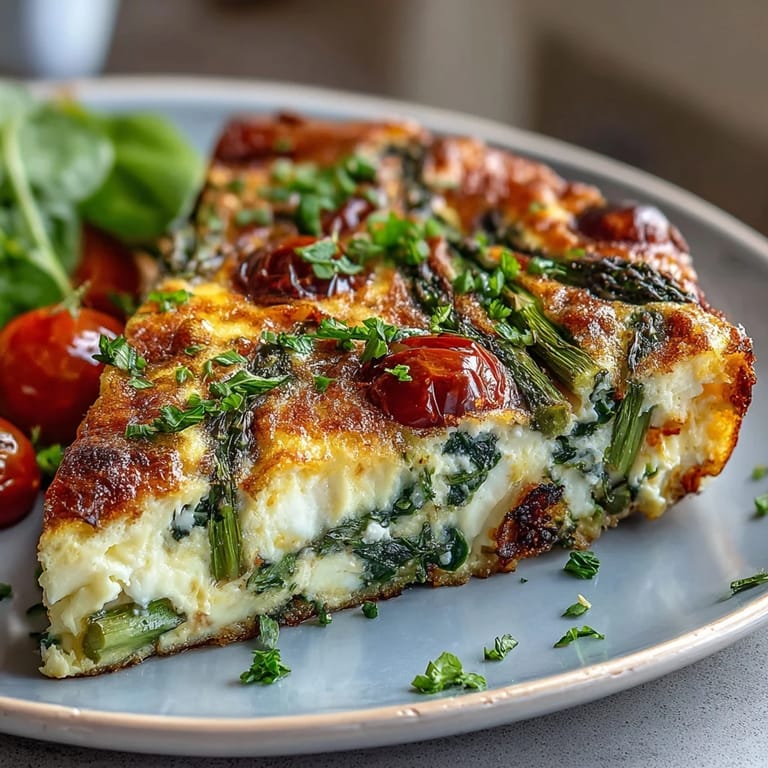
 This frittata asks almost nothing of you except to show up with whatever vegetables you have on hand and a willingness to let simple ingredients speak for themselves. Feed it to people you care about, eat it cold standing at the kitchen counter, or wrap it up for tomorrow and know that you're choosing to nourish yourself thoughtfully.
Recipe Questions & Answers
- → Can I substitute the feta cheese?
Yes, you can replace feta with dairy-free cheese or omit it entirely for a milder taste while keeping the dish light and flavorful.
- → What other vegetables work well in this dish?
Seasonal vegetables like peas, leeks, or bell peppers can be added or swapped in to enhance freshness and texture.
- → Is it possible to make this suitable for a dairy-free diet?
Use plant-based milk alternatives and substitute feta with dairy-free cheese options to keep it dairy-free without sacrificing flavor.
- → What pan is best for cooking this frittata?
A 10-inch oven-safe skillet works best, allowing you to cook on the stovetop before finishing in the oven for even cooking and easy cleanup.
- → How can I tell when the frittata is fully cooked?
The edges should be set after stovetop cooking, and baking 10–12 minutes until the center is firm and the top turns lightly golden ensures it’s done.
- → What herbs enhance the flavor of this dish?
Fresh parsley and chives add brightness and a delicate aroma that complement the spring vegetables and feta cheese beautifully.