 Pin It
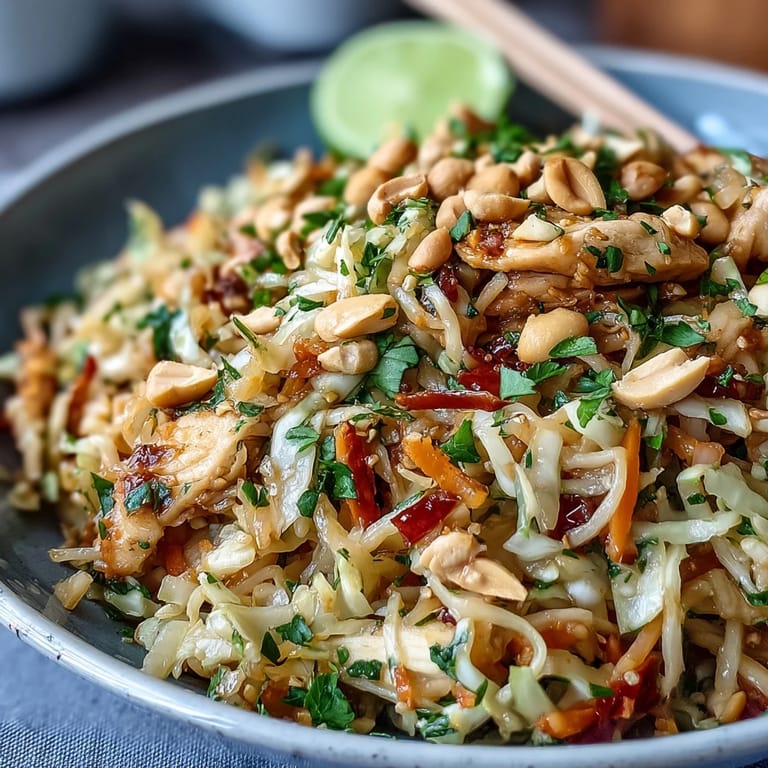
 Over the hum of my kitchen fan, I once found myself searching for a lighter dinner that didn't make me miss my old noodle favorites. On a rainy afternoon, inspiration struck with a head of cabbage hiding in my fridge and that hopeful glimmer only spontaneous cooking can bring. Every time I shred cabbage for this, the crisp sound puts a small smile on my face. The aroma of ginger marrying with garlic always announces a meal that feels special without demanding a fuss. This Cabbage Pad Thai is a celebration in every toss—and it never fails to wake up my weeknights.
There was a night when my best friend showed up for dinner—starving, soaked from spring rain, and expecting my usual takeout order. Instead, I heaped this cabbage Pad Thai onto plates, and we ended up laughing over how she preferred it to restaurant versions. She asked for the recipe before dessert. That's when I knew this dish belonged in my regular rotation.
Ingredients
- Green cabbage: Go for a firm, heavy head—shredding it thinly means you'll get the perfect 'noodly' bite without sogginess.
- Carrot: Adds crunch and a sweet undertone; slicing it into matchsticks helps it cook evenly.
- Red bell pepper: Gives the pan a burst of color and a juicy snap that keeps things lively.
- Scallions: Split the white and green—their flavors show up in different ways as you cook and finish.
- Garlic: Just two cloves pack plenty of punch, but don’t go overboard or it can overwhelm.
- Fresh ginger: Learn from me—finely grate it so you don’t end up with spiky bites.
- Eggs: Let them set softly in the pan for a silkier texture—a trick I almost missed the first time.
- Chicken breast, shrimp, or tofu: It's your call—switch it up depending on what you have and how you’re feeling.
- Tamari or soy sauce: I always reach for tamari to keep things gluten-free and just as savory.
- Fish sauce (or extra tamari): Omit for a plant-based meal, or use fish sauce for extra depth if you enjoy it.
- Lime juice: Squeeze it fresh and keep extra wedges handy—nothing brightens Pad Thai like lime.
- Unsweetened peanut butter: The sauce hack you never knew you needed—it adds richness and a subtle nutty background.
- Erythritol, monkfruit, or honey: Choose your sweetener based on taste and diet; a small spoonful does wonders for balance.
- Chili flakes or Sriracha: This is where the heat sneaks in—add a pinch and taste as you go.
- Roasted unsalted peanuts: My favorite part: chop them roughly so you get buttery crunch in every bite.
- Fresh cilantro leaves: Scatter on top only at the end; it lifts the whole dish aromatically.
- Extra lime wedges: Someone always asks for more, so I serve them on the side.
Tired of Takeout? 🥡
Get 10 meals you can make faster than delivery arrives. Seriously.
One email. No spam. Unsubscribe anytime.
Instructions
- Mix the Sauce:
- In a small bowl, whisk tamari, fish sauce, lime juice, peanut butter, sweetener, and chili into a smooth, fragrant blend—taste as you go, and add more chili if you crave a kick.
- Sauté the Aromatics:
- Heat a large skillet or wok until just shimmering, then add a drizzle of oil followed by garlic, ginger, and the white scallions; stir just until your kitchen smells irresistible.
- Add the Veggies:
- Tumble in the cabbage, carrot, and bell pepper—keep stirring, listening for that satisfying sizzle, until the veggies are just crisp-tender.
- Scramble the Eggs:
- Push the veggies to one side, crack in the eggs, and gently scramble until they’re just cooked through, then fold them into the vegetables like a pro.
- Add Protein & Sauce:
- Layer in your protein of choice, pour the sauce evenly over, and toss everything together—cook for another two minutes to help the flavors mingle.
- Finish & Serve:
- Remove from heat, shower with green scallion tops, peanuts, cilantro, and extra lime wedges before serving up immediately.
 Pin It
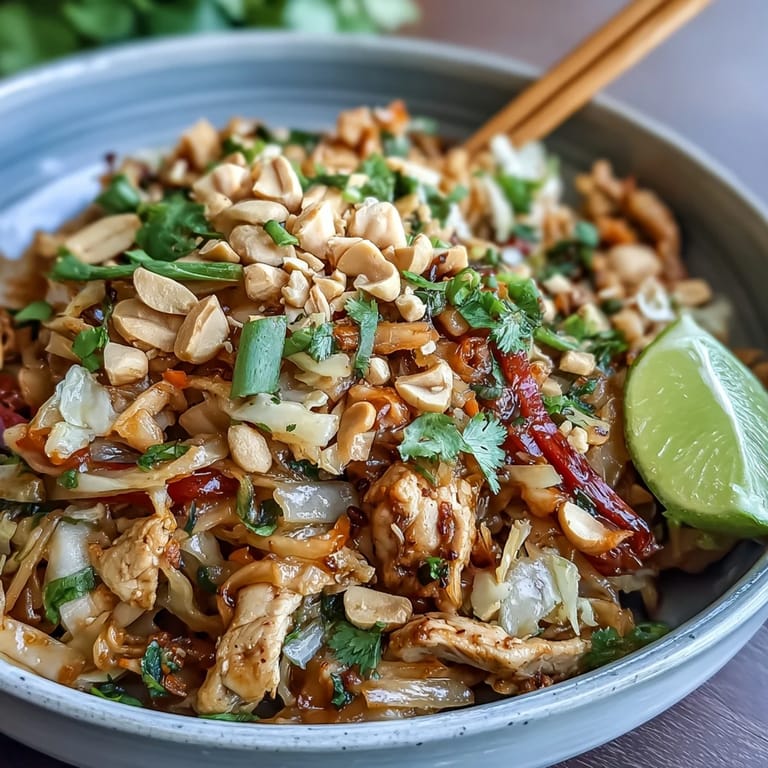
 One evening, I left the table to grab more lime and came back to everyone eating in cheerful silence—the highest compliment from my family, who usually argue over the last helping. It's amazing how something so simple can mark a shared, feel-good moment.
How To Nail the Perfect Texture
The secret is in quick, high-heat cooking—lingering too long leads to limp cabbage. There's a window when the veggies are bright and just softened, and catching it makes every forkful snap with flavor.
Making It Your Own
Over time, I've played with the protein—seasoned tofu for a veggie night, shrimp when I want something a little briny. Leftover roast chicken works too, and even a sprinkle of toasted sesame seeds invites a deeper flavor.
Serving and Storage Advice
This is best hot off the stove, but don't worry about leftovers—they reheat beautifully for lunch the next day, just keep toppings separate. The peanuts stay crunchiest sprinkled at the last second.
- Chill extras in a covered bowl and add fresh lime before eating.
- Reheat gently to preserve that crisp-tender bite.
- Leave out sauce for the portion you plan to store, and add it right before serving for best taste.
 Pin It
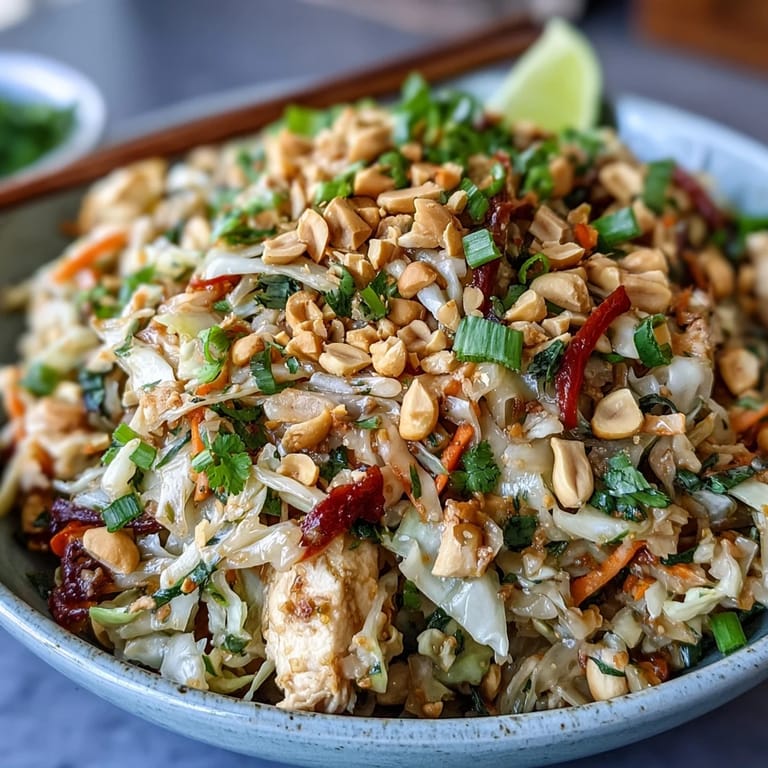
 Give this Cabbage Pad Thai a try on your next busy night and see how quickly it becomes one of your repeat meals. It might just steal the spotlight from your old favorites.
Recipe Questions & Answers
- → Can I make this fully vegetarian or vegan?
Yes. Use tofu instead of chicken or shrimp and replace fish sauce with extra tamari or a splash of mushroom-based umami sauce. Omit eggs or scramble crumbled tofu for a vegan protein source.
- → How do I keep the cabbage crisp and not soggy?
Shred the cabbage finely and stir-fry over medium-high heat without overcooking; 4–5 minutes until just tender keeps a pleasant crunch. Avoid adding too much sauce at once and cook quickly to preserve texture.
- → What are good protein substitutions?
Cooked sliced chicken, shrimp or firm tofu all work well. Leftover roasted pork or thinly sliced beef are also good—add proteins toward the end to warm through without drying out.
- → How spicy is the dish and how can I adjust heat?
The base is mildly spicy; adjust by adding more or less chili flakes or Sriracha. Serve extra chili on the side so diners can tailor the heat to taste.
- → How should I store and reheat leftovers?
Store in an airtight container in the fridge for up to 3 days. Reheat in a skillet over medium heat for best texture; add a splash of water or lime if it needs brightening. Microwave works for convenience but may soften the cabbage.
- → Can I swap peanuts for other toppings?
Yes. Use toasted cashews, sunflower seeds or crispy fried shallots for crunch if you need a peanut-free option. Fresh cilantro and extra lime brighten the flavors.