 Pin It
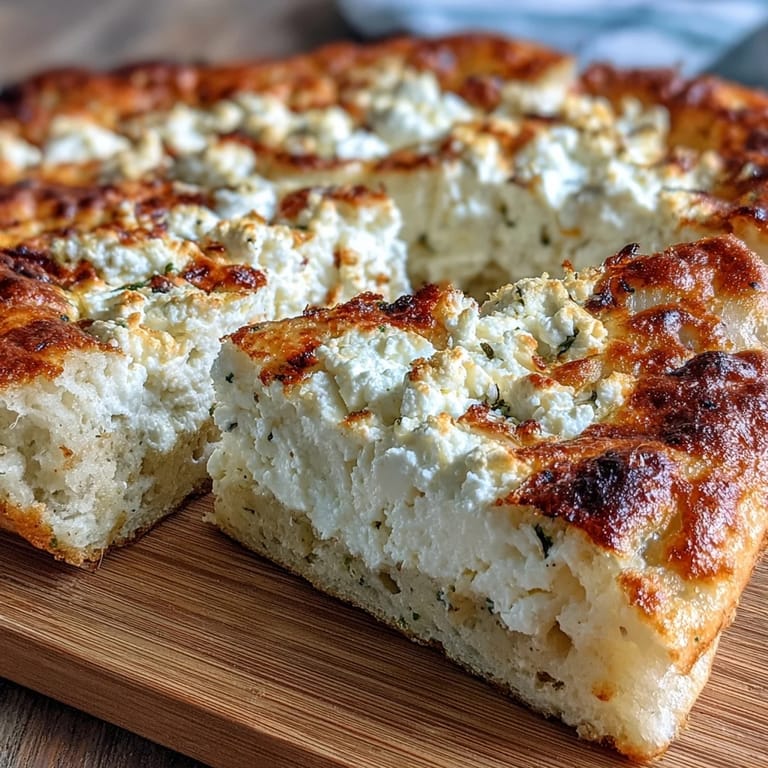
 The hum of my blender making this cottage cheese flatbread always reminds me of how quick wins in the kitchen often feel a bit like magic tricks. Long before it went viral, I was skeptical about cottage cheese anything until a friend texted me a picture of her golden, bendy flatbread draped around veggies. I had to see for myself if two humble ingredients could create something so downright useful and tasty. The first time I tried it, the aroma filling my oven had me peeking through the glass every few minutes out of impatience. It’s the kind of recipe that makes you wonder how it can be so easy and so satisfying at once.
I put these flatbreads to the true test at a Saturday lunch, wrapping them around roasted veggies while my roommate watched skeptically from the counter. Her surprise at the first bite—‘Wait, this is just cottage cheese and eggs?’—still makes me laugh. It was such a simple pleasure, building something delicious together and munching in companionable silence. Even my usually bread-loyal friends admitted they’d be happy with one of these any day. That was the moment I knew I’d found a kitchen keeper.
Ingredients
- Cottage cheese: The right cottage cheese makes all the difference—a full-fat version creates extra richness, while low-fat keeps things light, but avoid overly watery brands or you’ll have trouble spreading the batter.
- Large eggs: Eggs give structure and flexibility, and cracking them into the blender first makes for easier cleanup and a fluffier blend.
Tired of Takeout? 🥡
Get 10 meals you can make faster than delivery arrives. Seriously.
One email. No spam. Unsubscribe anytime.
Instructions
- Set the stage:
- Preheat your oven to 350°F (175°C), and grab a sheet of parchment for easy liftoff later—skip this and you might be scraping with a spatula for ages.
- Blend to smoothness:
- Combine the cottage cheese and eggs in a blender or food processor, blending until the mixture is completely smooth and cloudlike, about 30 seconds—no lumps allowed here.
- Shape your flatbreads:
- Pour the batter onto the prepared baking sheet and use a spatula to gently coax it into 3–4 flat rounds (or a big rectangle for folding later), aiming for a consistent 1/4-inch thickness so everything bakes evenly.
- Oven magic:
- Bake for 18–22 minutes, until the edges are golden and the surface is set—your kitchen should smell almost like cheesy soufflé at this point.
- Peel and enjoy:
- Let them cool for a couple of minutes, then slowly peel each flatbread free from the parchment—it should come away easily if they’re baked just right.
- Storing for later:
- If you have leftovers, tuck them into an airtight container and store in the fridge, where they stay soft for up to 3 days; a quick skillet reheat brings them back to life.
 Pin It
 One afternoon, I rolled up grilled vegetables and scrambled eggs in a warm flatbread and ate standing by the window, crumbs on my sweater, marveling that something so quick could feel like a cozy, nourishing treat. My neighbors still ask for the recipe anytime they catch a whiff of that irresistible, toasty scent drifting from my kitchen.
How to Dress It Up
Once the base was down, I couldn’t help but experiment—garlic powder, fresh chives, or a sprinkle of za’atar added even more personality to the batter. A few times, I brushed the baked flatbread with olive oil and a crumble of feta before reheating, which took it to another level entirely. Stacking sautéed mushrooms or roasted tomatoes on top turned it into a satisfying meal on its own. Even a light scattering of cracked black pepper right before baking offers extra depth. Playing with the batter feels as free and easy as the recipe itself.
Best Ways to Serve
This flatbread found a permanent spot in my weekly rotation because it plays so well with what’s in the fridge—from making quick breakfast wraps to scooping up hummus or rolling up chicken salad for an easy lunch. The bread’s soft, flexible texture means you can load it generously and it still holds up, never splitting or getting soggy. Some nights I even crisp them on a skillet for a speedy pizza crust, and they always deliver. I love tearing them into pieces for big salads or soup nights. Their versatility is half the fun.
Common Pitfalls (and Fixes)
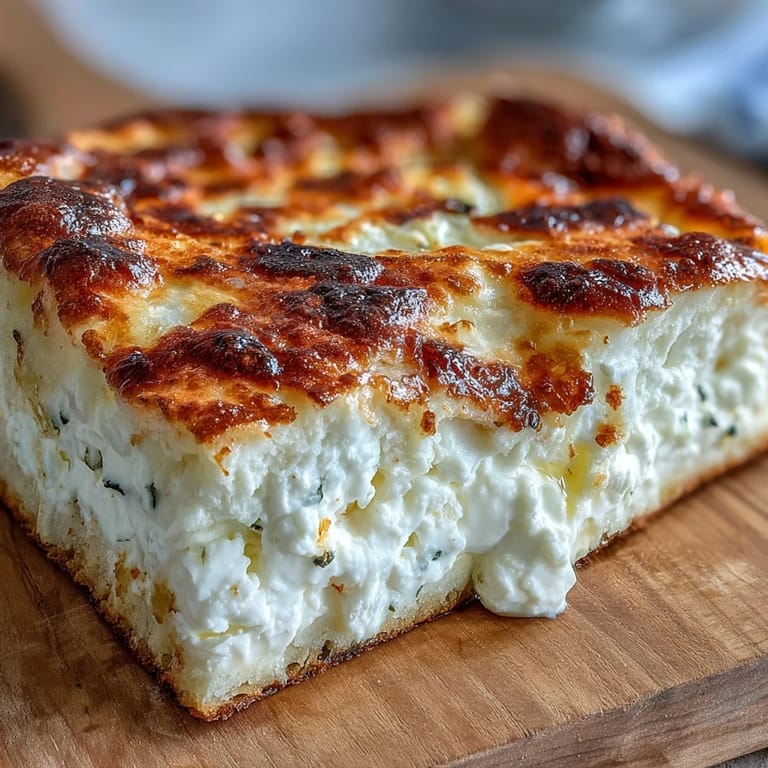
I’ve learned that a watery cottage cheese can sabotage the whole batch, leaving the flatbreads limp rather than pliable—go for a brand with some body. Resist the urge to overbake, since they’ll dry out and lose that signature bend. Keeping an eye on color rather than just the timer is the best insurance for perfect results every single time.
- If the batter seems too thin, strain your cottage cheese slightly first.
- A silicone spatula is your cleanup hero when peeling off the parchment.
- Don’t forget to taste and tweak—season the batter as boldly or subtly as you like.
 Pin It
 No matter what you wrap or pile onto these, you’ll always get that satisfying feeling of making something nourishing with your own hands. Have fun with this one—even the simplest recipes can end up stealing the show.
Recipe Questions & Answers
- → How do I get a smooth batter?
Blend the cottage cheese and eggs in a high-speed blender or food processor until completely smooth, about 30 seconds. Stop and scrape down the sides once to ensure even texture before spreading.
- → How thin should I spread the batter?
Spread the batter into rounds or a rectangle about 1/4 inch thick. Thinner rounds bake quicker and become more flexible, while thicker pieces will be softer and chewier.
- → Can I add flavorings or herbs?
Yes. Stir in a pinch of salt, pepper, garlic powder, or chopped herbs into the batter before baking to boost flavor without changing the quick method.
- → What are good uses for these flatbreads?
Use them as wraps for sandwiches, as a quick pizza base, or layered in sandwiches. Their soft, flexible texture holds fillings well and reheats nicely in a skillet.
- → How should leftovers be stored and reheated?
Keep cooled flatbreads in an airtight container in the refrigerator for up to 3 days. Reheat briefly in a hot skillet or warm oven to restore pliability and a slight crisp edge.
- → Can I make a dairy-free version?
For a dairy-free option, try a plant-based cottage-style product, bearing in mind texture may vary. Adjust blending time and bake until set rather than relying on browning.
- → Will they work for low-carb or gluten-free diets?
Yes. Made from cottage cheese and eggs, these flatbreads are naturally low in carbs and gluten-free, making them suitable as a bread alternative for those diets.