 Pin It
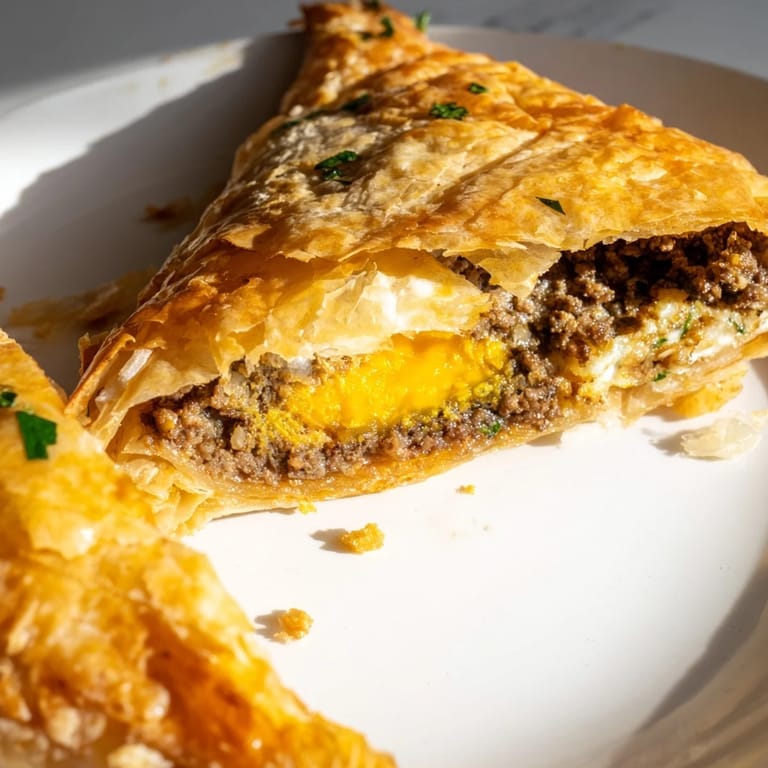
 The first time I bit into a brik, I was sitting at a tiny café in the Medina of Tunis, watching an older woman work a massive iron skillet with the kind of casual confidence that comes from decades of practice. The phyllo crackled under my teeth, releasing a wisp of steam and the aroma of cumin and parsley, and I immediately understood why this humble street food had survived centuries of tradition. What struck me most wasn't just the taste—it was that moment of realization that something so simple could be so complete, all those flavors and textures living together in that golden, impossibly crisp envelope.
I made brikat for a small dinner party last spring, and the moment I pulled the first batch from the oil and set them on the paper towels, my kitchen suddenly smelled like someone had transported a corner of North Africa right into my home. My friend Marcus bit into one without waiting for it to cool, burned the roof of his mouth, and still kept eating. That's when I knew this recipe was a keeper—it makes people forget their manners.
Ingredients
- Ground beef or lamb, 120 g: The backbone of the filling; lamb gives a deeper, more traditional flavor, but beef works beautifully too and is often easier to find.
- Small onion, finely chopped: Caramelizing this first builds the whole flavor foundation, so don't skip the sautéing step.
- Fresh parsley, 1 tbsp chopped: This isn't just garnish—it brightens everything and keeps the filling from feeling too heavy.
- Ground cumin, 1 tsp: The signature spice here; it's what makes your kitchen smell unmistakably Tunisian.
- Ground coriander, 1/2 tsp: Works quietly in the background to add warmth and complexity without shouting for attention.
- Salt and black pepper to taste: Season the filling generously because the phyllo is blank canvas that needs the filling to carry all the flavor.
- Phyllo pastry sheets, 4 large: Buy them frozen and thaw according to package directions; handle them like they're made of silk, because they basically are.
- Large eggs, 4: The surprise element—their runny yolk becomes sauce, so use room-temperature eggs if you can.
- Gruyère or mozzarella cheese, 4 tbsp grated: Optional but traditional in some regions; adds a salty richness that's hard to resist.
- Sunflower or vegetable oil for frying: You need enough to create that deep-fry effect, usually 3 to 4 centimeters in your pan.
Tired of Takeout? 🥡
Get 10 meals you can make faster than delivery arrives. Seriously.
One email. No spam. Unsubscribe anytime.
Instructions
- Build the flavor base:
- Heat a skillet over medium heat and sauté the finely chopped onion in a small splash of oil until it turns soft and translucent, about 3 to 4 minutes. This step isn't optional—it mellows the onion and creates the foundation for everything else.
- Brown the meat:
- Add your ground meat to the onions and stir occasionally, breaking it into small pieces as it cooks. When it's no longer pink and the whole mixture looks caramelized at the edges, season with cumin, coriander, salt, and pepper, then fold in the fresh parsley. Let it cool just enough to handle comfortably.
- Assemble with care:
- Lay a phyllo sheet on a clean, dry surface—moisture is phyllo's enemy. Spoon 2 to 3 tablespoons of meat mixture into the center, then make a small well and crack an egg directly into it, yolk unbroken if possible. Sprinkle cheese over the top if using.
- Seal it up:
- This is where you discover whether you have the patience for pastry work. Fold the phyllo up and over the filling to create a triangle or rectangle shape, using a damp finger to seal any edges where phyllo might separate. The water creates an invisible glue that holds under the heat of frying.
- Get the oil ready:
- Pour 3 to 4 centimeters of oil into your frying pan and heat it over medium-high heat. You'll know it's ready when a tiny piece of phyllo sizzles immediately upon touching the surface, but doesn't brown too fast.
- Fry until golden:
- Carefully slide your brik into the hot oil and let it sit undisturbed for about 2 minutes until the bottom is deep golden. Flip it gently with a slotted spoon and fry the other side for another 1 to 2 minutes. The whole pastry should look like burnished treasure when it's done.
- Rest and serve:
- Drain your finished brik on paper towels for just a minute to remove excess oil. Serve immediately while everything is still hot and the phyllo hasn't had time to soften; this is the moment when it's most itself.
 Pin It
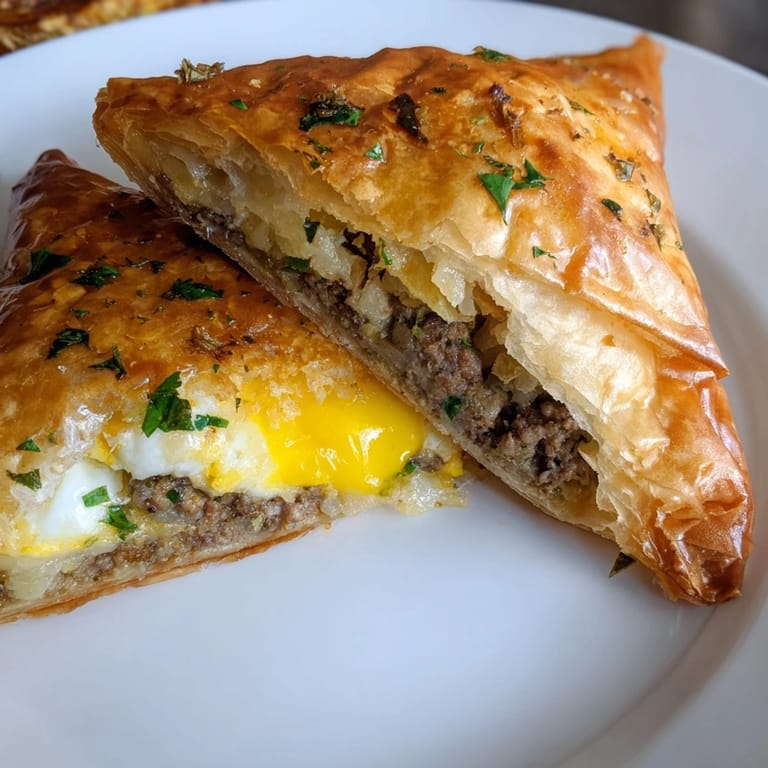
 The beauty of brik is that it tastes like street food royalty—like something cooked with real intention and tradition—but the actual technique isn't complicated. It just demands respect and presence, which might be why sharing one with someone always feels a little more intimate than just eating a snack together.
The Stories in Every Fold
Every culture has a food that bridges the gap between working hands and gathered tables, and in Tunisia, brik holds that place. These pastries started as a way to use what was on hand—leftover meat, an egg, some oil—but they became art through repetition and love. When you make your own, you're not just following a recipe; you're joining a conversation that's been happening for generations, one golden, crispy fold at a time.
Variations That Work
While the meat version is the classic, brik is wonderfully flexible once you understand the technique. Some people swear by a tuna filling mixed with capers and preserved lemon, especially along the coastal regions where seafood whispers in the breeze. Others go vegetarian with a filling of mashed potato, caramelized onions, and a touch of harissa—this version is somehow even more addictive than the original, maybe because the soft potato plays so beautifully against that shattering phyllo.
Serving and Storing Smart
Brikat are best eaten fresh from the pan, but life doesn't always work that way. If you need to make them ahead, assemble and refrigerate them uncooked for up to a few hours, then fry just before serving. The filling can also be made a day ahead and stored covered in the fridge, which means when friends call unexpectedly, you're only 15 minutes away from impressing them. Never try to reheat a fried brik—the phyllo becomes leathery and loses everything that made it special in the first place.
- Serve with lemon wedges so people can squeeze them over the top, which adds brightness and cuts through the richness perfectly.
- A simple green salad on the side turns this into a light meal instead of just an appetizer.
- If you want heat, add a pinch of harissa to the meat mixture or serve with a small bowl on the side for dipping.
 Pin It
 Making brik takes you to that quiet place where cooking becomes meditation, where the simple act of folding phyllo around an egg becomes a small ritual. That's when you understand why people keep making it, generation after generation.
Recipe Questions & Answers
- → What type of pastry is used for Tunisian brik?
Phyllo (filo) pastry sheets are used, often stacked for durability, creating a delicate, crispy crust when fried.
- → How is the filling prepared for this dish?
The filling combines ground beef or lamb sautéed with finely chopped onion, cumin, coriander, salt, pepper, and fresh parsley for aromatic flavor.
- → How do you prevent the phyllo from tearing during assembly?
Handle the sheets gently and, if very thin, use two sheets stacked together to provide extra strength before folding over the filling.
- → What cooking method ensures a crispy exterior?
The filled pastries are shallow fried in hot oil for a few minutes on each side until they develop a golden, crispy texture.
- → Can variations be made to the filling?
Yes, options include adding cheese for richness or substituting meat with tuna or potato for different flavors and textures.
- → What are ideal serving suggestions?
Serve hot and crisp with lemon wedges and a fresh green salad to complement the rich flavors and textures.