 Pin It
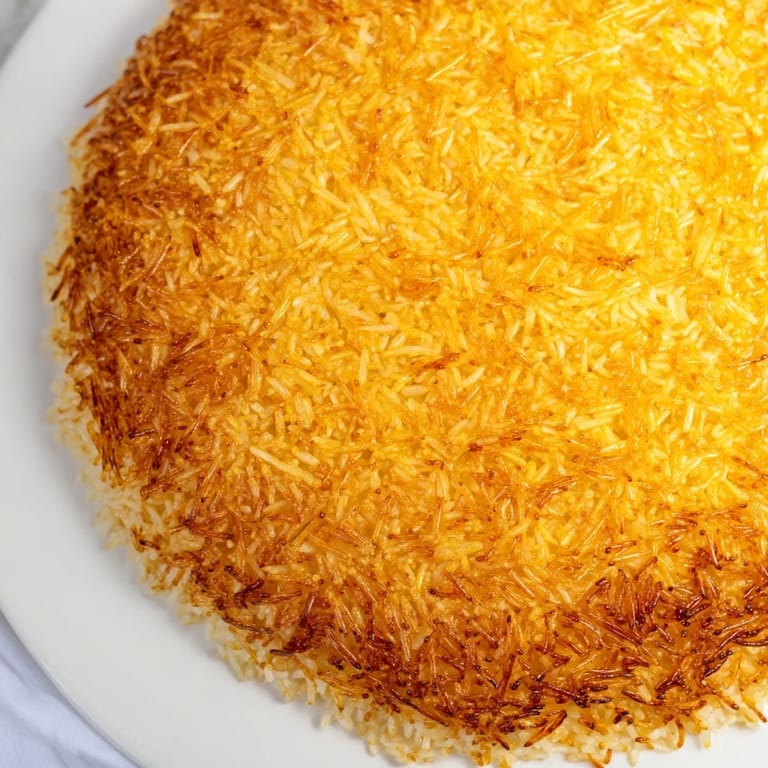
 The first time I tasted tahdig, I wasn't expecting the audible crackle when my spoon hit the plate. My grandmother's kitchen in Tehran was steamy and fragrant, filled with the gentle hiss of rice cooking under a towel-wrapped lid, and when she finally inverted that pot onto the serving platter, the golden crust came away like edible treasure. That moment taught me that the best dishes often hide their magic beneath the surface, waiting for the right technique to reveal them. Now, whenever I make tahdig at home, I'm chasing that same combination of textural shock and aromatic comfort that made me understand why this dish is treated with such reverence in Persian cooking.
I made tahdig for a dinner party on a cold November evening when I wanted to show my new partner what Persian food meant to my family. Watching them scoop up pieces of that crispy rice, closing their eyes at the first bite, made me realize how food carries memory and identity in ways words can't quite capture. That night, tahdig became less about following a recipe and more about sharing something I loved.
Ingredients
- Basmati rice (2 cups): Basmati's long grains stay separate and don't turn mushy, which is essential for achieving that fluffy layer above the crust; rinse it thoroughly to remove starch buildup that makes rice sticky.
- Salt (1 tablespoon for soaking): This seasons the rice from within during soaking, ensuring even flavor distribution throughout the dish.
- Saffron threads (1/4 teaspoon): These delicate crimson threads infuse the rice with an earthy, slightly sweet flavor and that signature golden hue that makes tahdig visually unmistakable.
- Hot water (2 tablespoons for saffron): Steeping saffron in hot water unlocks its color and flavor, transforming the whole dish with just a tiny amount of threads.
- Plain Greek yogurt (4 tablespoons): This creates the tahdig layer's creamy, crunchy base and caramelizes into something magical; don't use flavored yogurt or it'll throw off the balance.
- Vegetable oil (2 tablespoons plus extra): High heat oil ensures the tahdig develops that necessary crisp without burning; the extra bit makes unmolding easier.
- Unsalted butter (2 tablespoons melted): Butter adds richness and helps create the ideal golden color, but it burns easily so pairing it with oil keeps the fat stable.
- Ground turmeric (1/2 teaspoon optional): A whisper of turmeric deepens the tahdig layer's color and adds a subtle warmth that ties the flavors together.
- Ground black pepper (1/2 teaspoon): A small amount of pepper keeps the dish from tasting one-dimensional and adds a gentle bite.
Tired of Takeout? 🥡
Get 10 meals you can make faster than delivery arrives. Seriously.
One email. No spam. Unsubscribe anytime.
Instructions
- Rinse and soak your rice:
- Run cold water over the basmati rice in a fine sieve, stirring gently with your fingers until the water runs completely clear, then soak it in a bowl of salted water for at least 30 minutes. This removes surface starch and allows the grains to absorb water evenly, which is the difference between rice that tastes gluey and rice that stays gloriously separate.
- Parboil the rice:
- Bring a large pot of water to a rolling boil, add the drained rice, and cook for about 5 to 6 minutes until the grains are just tender on the outside but still have a slight firmness in the center. You want to stop just before they're fully cooked because they'll finish cooking in the pot with the tahdig layer.
- Prepare your saffron:
- Crush the saffron threads gently between your fingers into a small bowl and pour 2 tablespoons of very hot water over them, letting them steep for 10 minutes. You'll see the water transform into liquid gold, and that's when you know the saffron has released all its essence.
- Build the tahdig base:
- In a medium bowl, whisk together the Greek yogurt, 1 tablespoon of that saffron-infused water, the turmeric if using it, and about 1 cup of your parboiled rice, stirring until you have a smooth, creamy mixture. This yogurt-rice blend is what will eventually crack and crunch when you bite into it.
- Heat your pot and create the crust layer:
- Pour 2 tablespoons of vegetable oil and 2 tablespoons of melted butter into your heavy-bottomed, nonstick 10-inch pot over medium heat, letting them warm until they smell fragrant and shimmery. Spread the yogurt-rice mixture evenly across the bottom in a thin, even layer, tilting the pot so it covers completely.
- Layer in the remaining rice:
- Gently spoon the rest of your parboiled rice over the yogurt layer, creating a gentle mound toward the center rather than pressing it down. Drizzle the remaining saffron water over the top and poke a few small holes with a wooden spoon handle to let steam escape during cooking.
- Cook low and slow:
- Wrap your pot's lid in a clean kitchen towel to trap steam, place it tightly over the pot, and cook on medium heat for 10 minutes until you hear the faintest crackle. Then lower the heat to low and let it cook undisturbed for 35 to 40 minutes, resisting the urge to peek because every time you lift that lid, you release precious steam.
- Finish and invert:
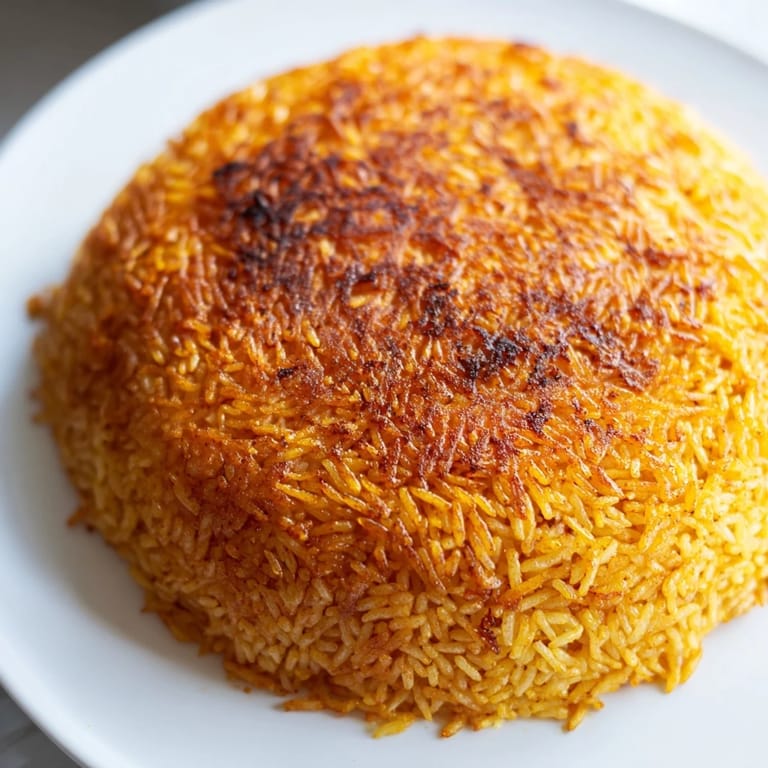
- Once the time is up, remove the pot from heat and let it rest for exactly 5 minutes so the tahdig can loosen slightly from the bottom. Place a large serving platter over the top of the pot, take a breath, and in one confident motion, flip the entire pot over so the golden crust lands on top of the fluffy rice like a crown.
 Pin It
 I once made tahdig for my neighbor, who'd never had Persian food before, and she actually gasped when I flipped that pot. In that moment, I understood that food isn't just about flavor or nutrition; it's about creating these small, beautiful surprises that make people feel seen and celebrated.
The Magic of the Tahdig Crust
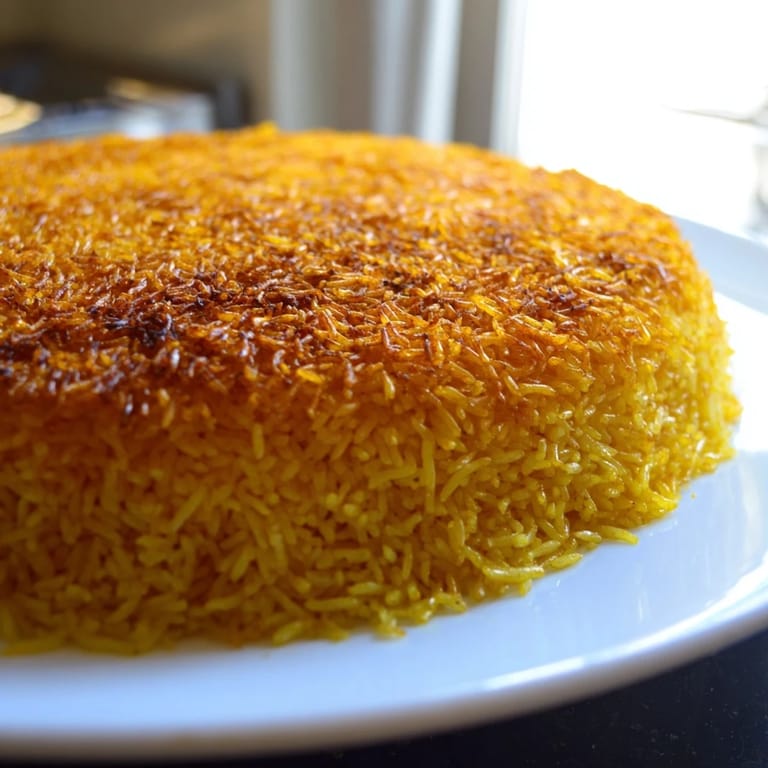
The tahdig crust isn't an accident or a burnt mistake; it's the entire point of this dish, a deliberate transformation where yogurt, rice, oil, and butter meet gentle heat and time to create something textually and flavorally complex. The yogurt provides tang and creaminess, the oil and butter add richness, and the low heat causes the sugars in the rice to caramelize slowly, building layer upon layer of flavor without harshness. Every time I make this, I'm reminded that cooking often rewards patience and intention, and that the things that take the longest to develop are usually the most worthwhile.
Why Basmati Matters Here
Basmati rice has a slightly drier texture and longer grains compared to other varieties, which means it resists becoming mushy and maintains that fluffy, separate quality even after soaking and parboiling. When you layer basmati over the tahdig crust, you're not just serving two textures; you're creating a conversation between creamy-crispy and fluffy-aromatic that makes the dish feel complete. I've tried making tahdig with other rice varieties out of curiosity, and while they worked, they never had quite the same elegant separation.
Variations and Serving Suggestions
Once you master the basic yogurt-rice tahdig, you can experiment with thinly sliced potatoes or even a layer of flatbread as the crust foundation, each creating its own unique texture and flavor profile. For garnish, barberries add a tart brightness that cuts through the richness, while fresh herbs like cilantro or parsley bring fresh, green notes that balance the earthy saffron. This dish pairs beautifully beside stewed meats, roasted vegetables, or as part of a vegetarian spread where it becomes the main attraction.
- Try adding a pinch of ground cinnamon or a few cardamom pods to the boiling water for an extra layer of warmth and aroma.
- If you can't find saffron, a tiny pinch of turmeric mixed into some hot water creates a golden effect, though the flavor will be different.
- Tahdig reheats well and actually tastes even better the next day when the flavors have melded together overnight.
 Pin It
 Making tahdig is an act of faith and attention, a quiet conversation between you and your stovetop that ends with something both celebratory and deeply comforting. Every golden, crackling piece that makes it onto the plate is a small victory worth savoring.
Recipe Questions & Answers
- → What is tahdig and how is its crispy crust formed?
Tahdig is the golden, crispy layer at the bottom of the cooked rice pot, formed by cooking a saffron and yogurt rice mixture with butter and oil over low heat until it caramelizes and crisps up beautifully.
- → How do you prepare the rice before cooking tahdig?
The rice is rinsed until clear, soaked with salt, then parboiled until just tender but still firm. This partially cooked rice forms the fluffy upper layers and the tahdig crust when combined with the yogurt and saffron.
- → Can the saffron infusion be replaced or omitted?
While saffron adds a unique aroma and golden color, turmeric can be used optionally for color, but omitting saffron will change the distinctive flavor and aroma associated with tahdig.
- → What role does the yogurt play in creating tahdig?
Yogurt mixed with parboiled rice coats the bottom of the pot forming a creamy base that crisps into the signature golden crust once cooked with oil and butter.
- → How do you ensure the tahdig doesn’t burn during cooking?
Cooking over medium heat initially, then lowering to gentle heat with the pot lid wrapped in a towel prevents excessive moisture build-up and burns, allowing even crisping of the tahdig layer.
- → Are substitutions for the yogurt-rice crust possible?
Yes, thinly sliced potatoes or flatbread can replace the yogurt rice mixture for different types of tahdig crusts with unique textures.